

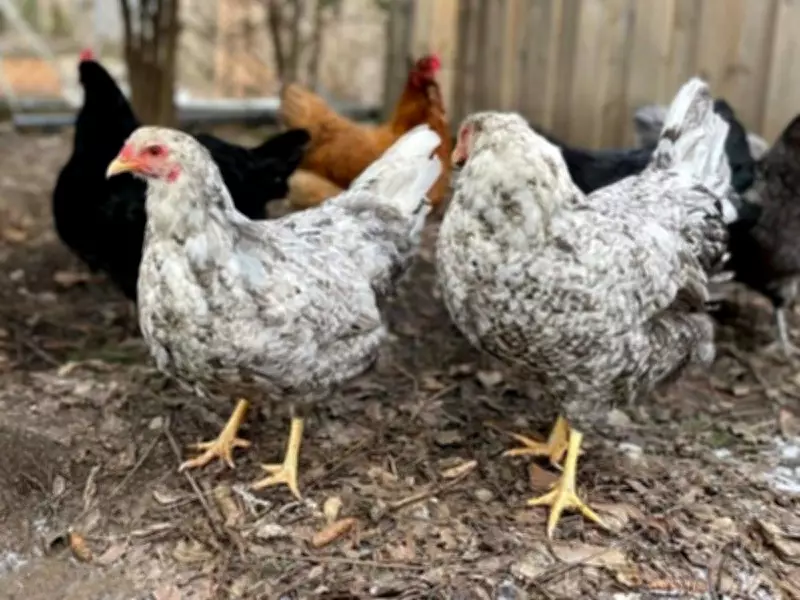
Urban Chicken Coops Spark Debate in Calgary's Residential Areas
In 2026, the question of whether farm animals like chickens belong in urban settings is stirring controversy in Calgary. With the city's population approaching two million, some residents are pushing back against the trend of backyard chicken coops, arguing that Calgary is not a farming community.
A Historical Perspective on Urban Poultry
The author's grandfather raised barred Plymouth Rock chickens in his Mount Royal backyard over a century ago, when Calgary's population was just 65,290. He became president of both the Calgary Poultry Association and the Poultry Federation of Alberta, demonstrating a long-standing connection between the city and poultry keeping.
"I have nothing against chickens," the author clarifies, "but I just don't think they belong in a city nearing a population of two million."

The Community Chicken Movement
What some find particularly bizarre is the movement to permit community chicken coops, modeled after community gardens but with additional challenges. These coops bring more noise, more feathers, and aromas that differ significantly from those of fresh greenery.
Calgarians already coexist with various urban wildlife including magpies, woodpeckers, squirrels, feral rabbits, and mice. The city notably lacks raccoons and rats, but faces increasing encounters with coyotes and deer whose habitats have been paved over by urban expansion.
The Urban Farming Debate
The fundamental question remains: Should a major metropolitan area permit farm animals in residential zones? Critics argue that while community gardens make sense, adding livestock to the urban mix creates unnecessary complications.
The author emphasizes, "We are not a farming community. We don't (or shouldn't) have pigs, cows or sheep as house pets." This sentiment extends to urban beehives, which face similar bureaucratic hurdles as chicken coops.
Pet Ownership Comparisons
Drawing from personal experience, the author recounts living with a cat in a Toronto highrise. The feline would navigate the narrow balcony railing to visit a neighbor who lured it with shrimp. "At least Casey was just a cat," the author notes. "They don't make a lot of noise. They don't need to be walked or have their scat picked up off the sidewalk."
This comparison highlights the different challenges posed by various types of urban animals, with chickens presenting unique issues of noise, odor, and waste management that traditional pets like cats do not.
As Calgary continues to grow and urbanize, the debate over backyard chickens reflects broader questions about urban planning, residential zoning, and what constitutes appropriate urban animal husbandry in a major Canadian city.






