

Trump's Executive Order on Glyphosate Production Ignites Fury Among MAHA Mothers
A recent executive order signed by former President Donald Trump has thrust the controversial herbicide glyphosate back into the national spotlight, provoking significant anger from MAHA (Mothers Against Herbicide Abuse) advocacy groups. The order, aimed at boosting domestic production of pesticides, has been met with fierce opposition from mothers who cite long-standing health and environmental concerns associated with glyphosate use.
Robert F. Kennedy Jr.'s Pivotal Role in the Glyphosate Debate
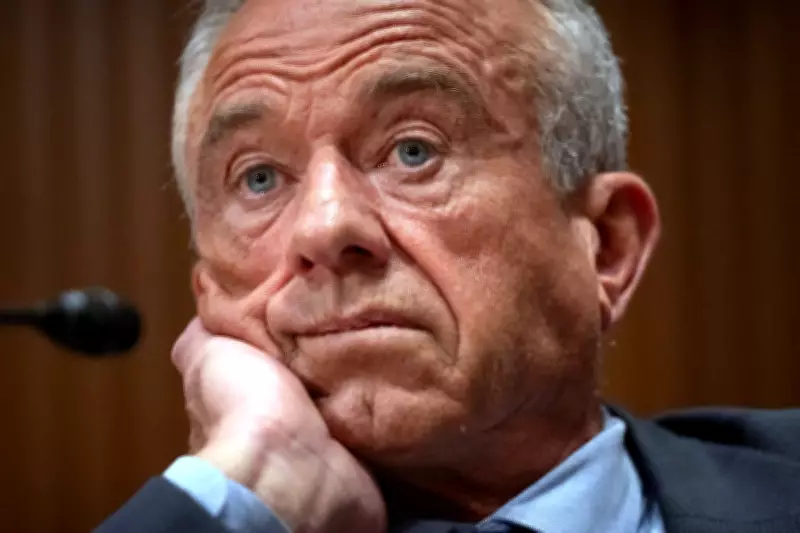
Secretary of Health and Human Services Robert F. Kennedy Jr., a figure previously known for his vocal opposition to pesticides, now finds himself at the center of this contentious issue. Kennedy appeared before the Senate Finance Committee on Capitol Hill in Washington on September 4, 2025, where his current support for pesticide production policies marks a notable shift from his earlier advocacy. This reversal has added a layer of complexity to the ongoing debate, drawing scrutiny from both supporters and critics.
Glyphosate, widely used in agriculture and landscaping, has been linked in various studies to potential health risks, including cancer and environmental damage. MAHA moms argue that increased production could exacerbate these dangers, particularly for children and vulnerable communities. They emphasize that the executive order undermines efforts to promote safer alternatives and stricter regulations.

Broader Implications and Public Response
The controversy extends beyond immediate health concerns, touching on broader themes of corporate influence, regulatory oversight, and public trust. Critics of the order claim it prioritizes economic interests over public health, while proponents argue it supports agricultural efficiency and national security. The involvement of a high-profile figure like Kennedy has intensified media attention and public discourse, making this a pivotal moment in U.S. environmental and health policy.
As protests and advocacy efforts gain momentum, the future of glyphosate regulation remains uncertain. Stakeholders from various sectors, including healthcare, agriculture, and environmental groups, are closely monitoring developments, with many calling for more transparent and science-based decision-making processes.






