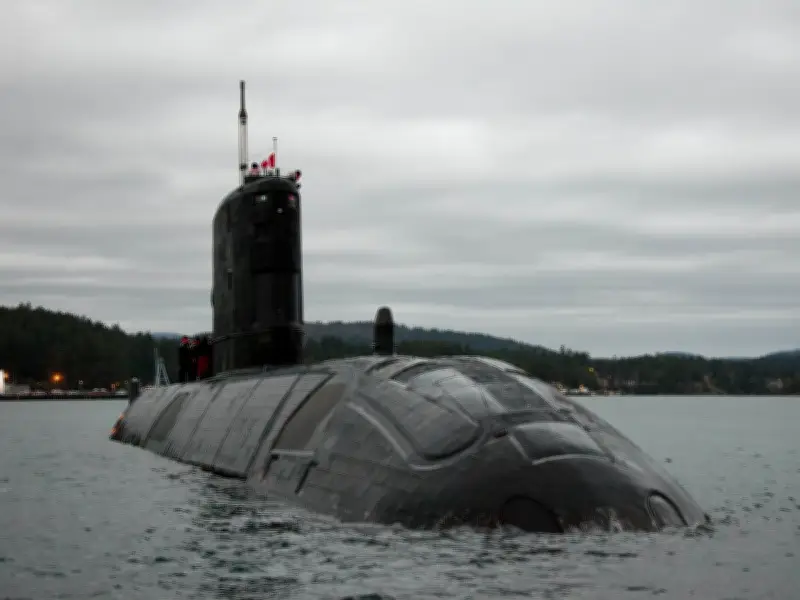
Seaspan Shipyards has begun formal planning for the maintenance facilities required to support Canada's new submarine fleet, following Ottawa's selection of a German-Norwegian consortium to build up to 12 vessels. The deal, valued at a reported $100 billion, includes both submarine construction and shore-side sustainment infrastructure on both coasts.
Seaspan's Role in the Submarine Program
Seaspan, whose Victoria operations already maintain the navy's existing submarines, signed on as the sovereign sustainment partner for Thyssenkrupp Marine Systems' (TKMS) successful bid. The company's senior vice-president, Dave Hargreaves, called the opportunity huge, noting it may well be larger than the procurement itself. The sustainment facilities will be located in Colwood, part of Canadian Forces Base Esquimalt, and in Halifax.
Long-Term Economic Impact
Hargreaves emphasized the long-term nature of the work: submarines have a design life of 30 to 40 years, meaning jobs, supply chain activity, and related work will persist for decades. New submarines are expected to begin arriving in 2034, with construction taking several years. The submarine program adds to Seaspan's ongoing work under Ottawa's national shipbuilding strategy, which includes building support ships for the navy and icebreakers for the Canadian Coast Guard.

Strategic and Political Context
The decision to select TKMS over South Korea's Hanwha Ocean strengthens Canada's ties with NATO allies Germany and Norway, which are each purchasing fleets of six 212CD submarines. Prime Minister Mark Carney, announcing the decision July 6 in Halifax, touted the commitment as evidence Canada is meeting its NATO pledge to raise defence spending to five per cent of GDP by 2035. Speaking at a NATO meeting in Ankara, Turkey, Carney said Canada is rapidly scaling capabilities through historic investments, including the submarine purchase, new icebreakers, and aircraft for the Royal Canadian Air Force. The move comes amid pressure from U.S. President Donald Trump for NATO allies to increase defence spending, with Carney asserting that Canada is becoming a stronger, more capable member of the alliance.