An unusual and persistent spell of record-breaking warm weather is sweeping across Saskatchewan, leaving farmers and agronomists to ponder its potential effects on the province's vast agricultural lands. With temperatures soaring well above seasonal norms, the implications for soil health, moisture levels, and future crop planning are at the forefront of industry concerns.
Unseasonal Heat Alters Agricultural Landscape
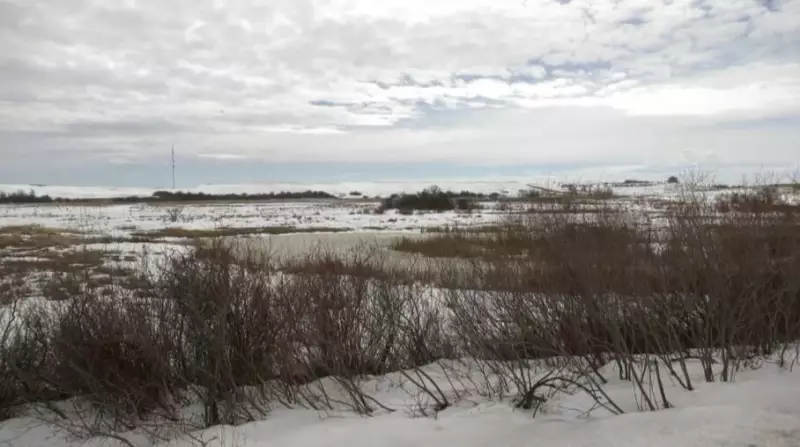
The sustained warmth, documented in the week leading up to January 14, 2026, has effectively erased the typical deep winter freeze. This significant deviation from historical weather patterns is creating a complex scenario for the upcoming growing season. While a reduction in frost depth can be beneficial for some soil structures, the lack of a consistent snowpack—a crucial insulator and water reserve—poses a serious risk for spring soil moisture.
Agricultural experts are closely monitoring the situation. A primary worry is that exposed, thawed ground is more susceptible to wind erosion, a constant threat on the Prairies. Furthermore, the mild conditions may allow certain pests and disease pathogens to survive the winter in greater numbers, potentially leading to increased pressures later in the year.

Farmers Face Planning Challenges and Opportunities
For Saskatchewan's farming community, this weather event forces a reconsideration of standard winter assessments. The traditional period of dormancy and planning has been replaced with active observation. Farmers are walking their fields earlier than usual, checking for signs of heaving in perennial crops or assessing the condition of fall-seeded grains.
There are potential short-term benefits, such as reduced heating costs for livestock operations and the ability to complete outdoor maintenance and repairs. However, these are outweighed by longer-term uncertainties. The critical question remains: Will this early thaw be followed by sufficient spring precipitation to recharge the soil profile, or will it lead to an early onset of drought conditions?
Long-Term Outlook and Adaptive Strategies
The record warmth in January 2026 adds to a growing trend of climatic volatility affecting Canadian agriculture. It underscores the increasing importance of adaptive strategies and resilient farming practices. Experts suggest farmers may need to consider:
- Diversifying crop rotations to include more drought-tolerant varieties.
- Enhancing soil organic matter to improve water retention capacity.
- Reviewing insurance and risk management plans to account for greater weather unpredictability.
While it is too early to predict the full impact on the 2026 harvest, this weather anomaly serves as a stark reminder of the direct link between climate patterns and food security. The province's agricultural sector, a cornerstone of both the provincial and national economy, is now tasked with navigating this unexpected challenge as the season progresses.