

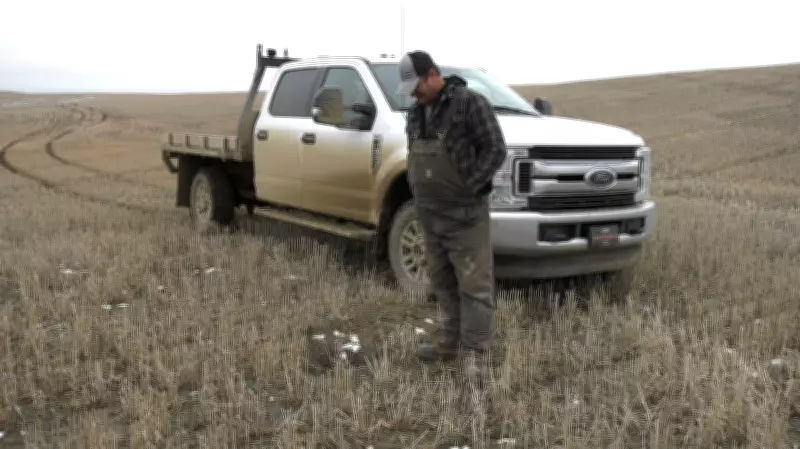
Saskatchewan Farmers Excluded from Strychnine Approval Amid Gopher Crisis
Producers in the Rural Municipality of 102 Lake Johnston, Saskatchewan, are expressing deep frustration and a sense of abandonment following a recent federal approval for strychnine use to control gopher populations. The approval, which came after a previous ban on the poison, does not extend to their specific area, leaving them grappling with what they describe as a worsening gopher infestation that threatens their livelihoods.
Escalating Pest Problem Post-Ban
Farmers in the region report that the gopher problem has intensified significantly since the initial prohibition on strychnine. Without access to this potent control method, populations of the burrowing rodents have surged, causing extensive damage to crops, pastures, and infrastructure. The pests undermine soil stability, consume valuable vegetation, and create hazardous conditions for livestock and machinery.
"We've seen a dramatic increase in gopher activity over the past year," said one local producer, who wished to remain anonymous due to the sensitivity of the issue. "It's not just an inconvenience; it's a real threat to our economic survival. The ban left us with limited effective options, and now this approval bypasses us entirely."

Geographic Exclusion Sparks Outcry
The new regulatory approval, issued by federal authorities, permits the use of strychnine in certain designated areas to manage gopher outbreaks. However, the RM of 102 Lake Johnston is notably absent from the list of covered regions. This exclusion has sparked outcry among local agricultural communities, who argue that their pest challenges are equally severe and warrant inclusion.
Officials cite ecological and safety considerations in delineating the approved zones, emphasizing targeted application to minimize environmental impact. Yet, producers feel overlooked, contending that the decision fails to account for the acute needs of their specific locality.
Broader Implications for Agriculture
This situation highlights ongoing tensions between regulatory measures and practical agricultural demands. Farmers stress the necessity of effective pest management tools to sustain productivity and food security. The strychnine debate underscores broader concerns about:
- Balancing environmental protection with farm viability
- The adequacy of alternative pest control methods
- Regional disparities in regulatory support
As gopher populations continue to expand, producers in excluded areas are calling for a reevaluation of the approval criteria. They advocate for a more inclusive approach that addresses the unique challenges of different regions, ensuring equitable access to necessary resources.
The federal government has acknowledged the concerns but maintains that the current approval framework is based on comprehensive risk assessments. Discussions are ongoing, with stakeholders urging prompt action to prevent further agricultural losses.
In the meantime, farmers in the RM of 102 Lake Johnston are exploring interim solutions, though many remain hopeful for a policy adjustment that includes their community in the strychnine approval. The outcome could set a precedent for how similar issues are handled across Canada's agricultural landscape.






