

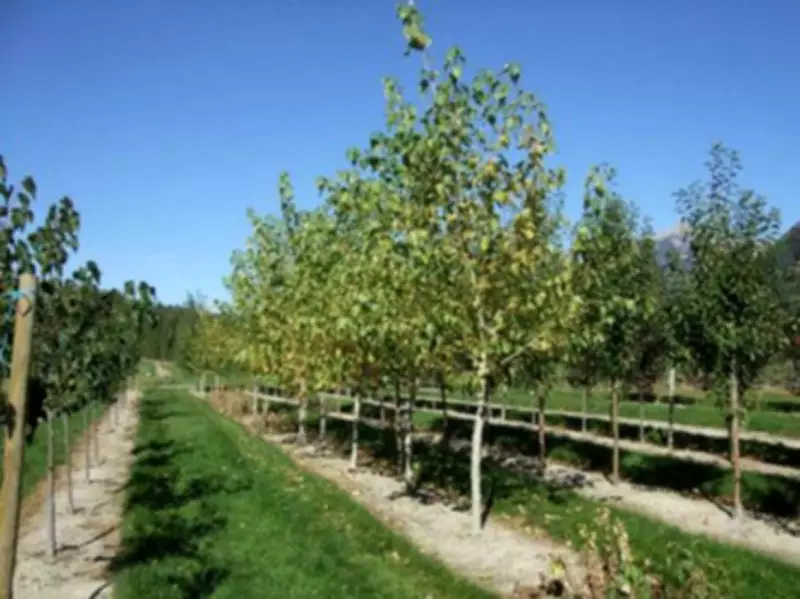
Saskatchewan Tree Farm Employer Faces Charges for Alleged Exploitation of Foreign Workers
A significant legal development has emerged in Saskatchewan's agricultural sector, as an employer operating a tree farm near Weyburn has been formally charged with the alleged exploitation of foreign workers. This case underscores persistent concerns regarding labor practices and worker protections in industries reliant on temporary foreign labor.
Details of the Allegations and Charges
The charges stem from accusations that the employer engaged in exploitative practices targeting foreign workers employed at the tree farm. While specific details of the alleged misconduct have not been fully disclosed by authorities, such cases typically involve violations related to wages, working conditions, housing, or contractual obligations under Canada's Temporary Foreign Worker Program.
This incident brings renewed attention to the vulnerabilities faced by foreign workers in Canada, particularly in sectors like agriculture and forestry, where labor shortages often lead to increased reliance on international labor. The legal proceedings will likely examine whether the employer complied with federal and provincial regulations designed to safeguard workers' rights.

Broader Context and Industry Implications
The charges against the Saskatchewan employer occur against a backdrop of ongoing national discussions about migrant worker protections. Advocacy groups and labor organizations have long called for stricter enforcement of existing laws and enhanced oversight to prevent exploitation.
Agricultural and forestry employers across Canada are reminded of their legal responsibilities to provide fair wages, safe working environments, and adequate living conditions for all employees, regardless of their origin. Failure to adhere to these standards can result in severe penalties, including criminal charges, fines, and potential bans from hiring foreign workers in the future.
This case may prompt further scrutiny of labor practices in similar operations, potentially leading to more rigorous inspections and compliance checks by regulatory bodies. It also highlights the importance of whistleblower mechanisms and support services for workers who may fear retaliation for reporting abuses.
Legal and Social Ramifications
As the legal process unfolds, the outcome of this case could set a precedent for how similar allegations are handled in Saskatchewan and beyond. A conviction would signal a strong stance against labor exploitation, while an acquittal might raise questions about the adequacy of current enforcement measures.
Community and industry stakeholders are closely monitoring the situation, recognizing that fair treatment of foreign workers is not only a legal imperative but also crucial for maintaining the integrity of Canada's immigration and labor systems. The case serves as a stark reminder that exploitation has no place in the Canadian workforce, and those accused of such practices will face the full force of the law.






