

Quebec Moves to Protect Cheese Curds with Controlled Designation
Quebec is proceeding with plans to officially recognize fromage en grains du Québec—commonly known as cheese curds—as a controlled designation, establishing specific production requirements that would restrict use of the name to products made within the province. This initiative makes Quebec the only jurisdiction in Canada with a formal legal framework dedicated to protecting regional food products through controlled designations.
The Proposed Regulations for Quebec Cheese Curds
If adopted, the regulations would mandate three key requirements: the milk must originate from Quebec, the curds must be produced within the province, and producers must follow a prescribed production protocol. Cheese curds manufactured outside Quebec would be prohibited from using the fromage en grains du Québec label in marketing and sales.
This approach mirrors European systems that protect geographically tied products like Champagne and Parmigiano Reggiano, ensuring only items made in specific regions using defined methods can carry those prestigious labels. Quebec's system is overseen by the Conseil des appellations réservées et des termes valorisants (CARTV), which has previously protected products including veau de Charlevoix and maïs sucré de Neuville.

Cultural Significance Versus Practical Necessity
The fundamental question remains: is such protection truly necessary for cheese curds? As a dairy product, cheese curds fall under Canada's supply-management system, which standardizes milk quality and composition nationwide. Theoretically, curds produced in Ontario or Alberta should not differ fundamentally from those made in Quebec.
Historically, cheese curds have existed for thousands of years as a cheesemaking byproduct, long predating their association with Quebec's iconic poutine. Fromagerie St-Albert in eastern Ontario, for instance, has produced cheese curds since 1894—decades before poutine gained popularity in Warwick, Quebec, around 1957.
The Distinctive Quebec Approach to Cheese Curds
Despite these historical and technical considerations, Quebec's cheese curds possess distinctive characteristics rooted in freshness and handling practices. The famous squeak associated with fresh curds results from the elastic casein protein network formed during early-stage cheddar-style cheesemaking. This auditory phenomenon occurs when extremely fresh curds interact with tooth enamel, but it disappears within hours as the texture softens.
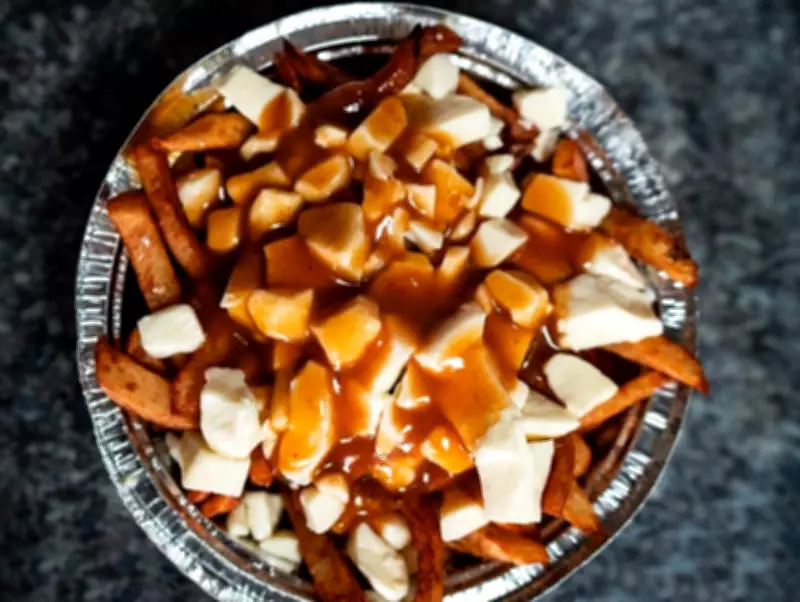
Quebec's dairy industry has capitalized on this brief scientific window, with many fromageries selling curds just hours after production—often without immediate refrigeration—to preserve the elasticity and moisture that create the signature squeak. This results in curds ideally suited for poutine: firm enough to squeak when bitten yet resilient enough to soften under hot gravy without fully melting.
Economic Implications and Trade Concerns
The push for controlled designation extends beyond cultural preservation to encompass economic protection. With American dairy producers increasingly seeking to export dairy proteins to Canada, requiring that Quebec-labeled curds use Quebec milk safeguards both tradition and market share.
However, this initiative raises concerns about interprovincial trade barriers. Canada already faces cumbersome internal trade obstacles in agri-food sectors, and adding provincially-specific designations could reinforce rather than dismantle these barriers. While the designation wouldn't prevent other provinces from producing cheese curds, it creates additional differentiation layers that complicate cross-provincial trade and marketing.
Producers outside Quebec may also take issue with the perception that such designations imply superior quality, when they actually protect specific regional versions rather than guarantee quality standards. Looking ahead, maple syrup is widely expected to be next on Quebec's protection list, potentially reigniting debates about where cultural protection ends and market protectionism begins.
The cheese curd designation debate highlights the complex balance between preserving regional food heritage and maintaining open markets within Canada's federated system.






