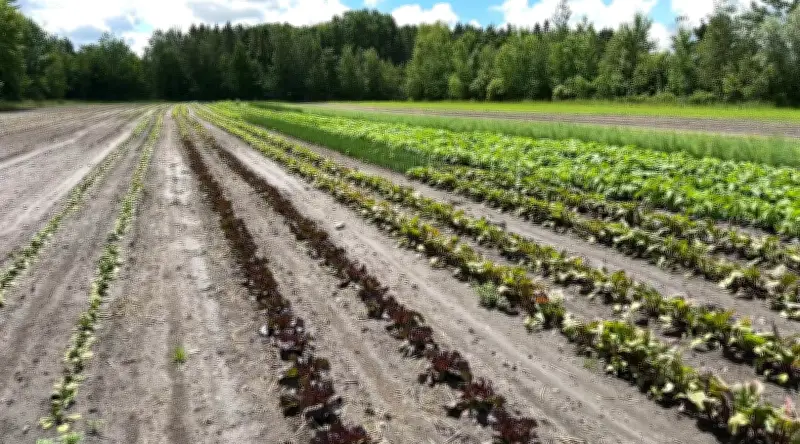
A severe rainstorm that dumped several inches of rain in just a few hours has caused widespread flooding across Quebec, devastating crops and leaving farmers facing significant financial losses. The storm, which hit on June 23, 2026, has been described as a once-in-a-generation event by local agricultural officials.
Immediate Impact on Farms
According to the Quebec Federation of Agriculture, the flooding has affected hundreds of farms, particularly in the Montérégie and Laurentides regions. Many fields remain underwater, and early estimates suggest that up to 30% of the season's vegetable and grain crops may be lost. Dairy farmers are also struggling as saturated pastures prevent grazing and damage feed supplies.
“I’ve never seen anything like it,” said farmer Jean-Pierre Tremblay, whose 200-acre farm in Saint-Hyacinthe was completely inundated. “We lost everything we planted this spring. It’s devastating.”

Government Response and Aid
The Quebec government has announced an emergency relief fund of $50 million to support affected farmers. Agriculture Minister André Lamontagne stated that the province is working with federal authorities to assess the damage and expedite aid. “We are committed to helping our farmers get back on their feet,” Lamontagne said in a press conference.
However, some farmers argue that the aid may not be enough to cover their losses. The Union des producteurs agricoles (UPA) is calling for additional measures, including tax deferrals and low-interest loans.
Long-Term Concerns
Beyond immediate crop losses, the flooding raises concerns about soil erosion and long-term soil health. Experts warn that repeated extreme weather events could threaten the viability of farming in certain areas. “This is a wake-up call for the agricultural sector,” said Dr. Marie-Claude Fortin, a climate scientist at Université Laval. “We need to invest in better drainage and flood protection infrastructure.”
The storm also damaged roads and bridges, complicating access to some farms and delaying the harvest of any surviving crops. The full extent of the damage is expected to take weeks to assess.