

The Rise of the Pyjama Economy: How Casual Dress Reflects Deeper Consumer Shifts
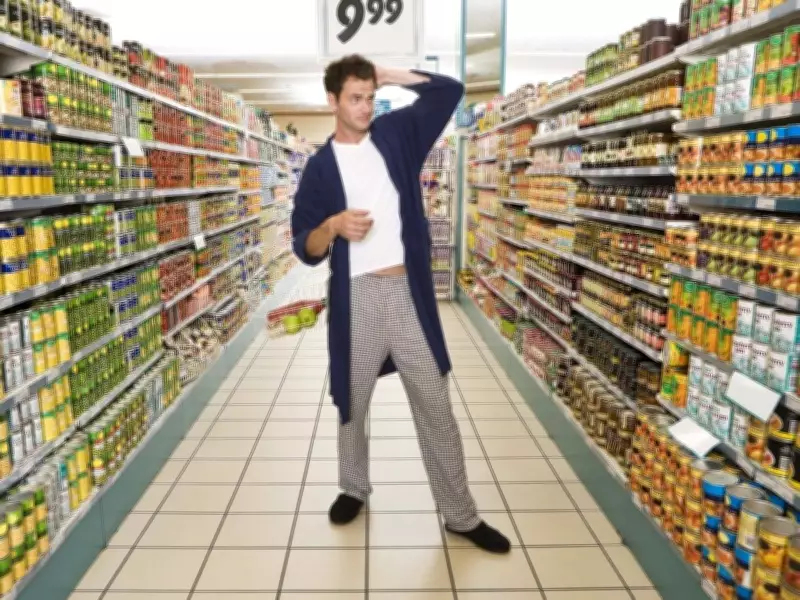
If you spend enough time in a grocery store these days, you will likely notice something that would have been unusual not long ago: shoppers pushing carts while wearing pyjama pants, flannel lounge pants, or even slippers. What once felt like a social faux pas is quietly becoming normal, forming part of what could be called the new errand uniform. While it may seem trivial, consumer behavior—even clothing choices—often reveals deeper economic and lifestyle transformations.
A Generational Divide in Attitudes
Recent surveys indicate that attitudes toward wearing sleepwear in public have changed dramatically. A study found that 41% of adults under 45 consider it acceptable to wear pyjamas or sleepwear for quick outdoor tasks such as grocery shopping, compared with only 18% of people over 65. This stark generational divide highlights how younger consumers prioritize comfort and convenience, while older generations still associate public spaces with a degree of formality.
Reflecting Broader Changes in Shopping Habits
At first glance, the pyjama grocery run may seem like a harmless social trend, but it reflects a much broader transformation in how people shop for food. Several key factors are driving this shift:

- Shorter and More Frequent Trips: With the rise of online shopping, curbside pickup, and highly localized retail networks, many consumers no longer plan large weekly grocery runs. Instead, they make quick stops to pick up a few items, reducing the need for formal attire.
- Impact of the Pandemic: Remote work normalized casual clothing throughout the day, blurring the boundary between home life and public life. For many, the grocery store has become an extension of the living room.
- Inflation and Consumer Psychology: Today’s consumers are more cautious, strategic, and price-sensitive. Quick trips to chase discounts or replace specific items have become common, with convenience often trumping appearance.
Grocery Stores as Utilities, Not Destinations
The pyjama trend signals an important shift in modern food retail: grocery stores are no longer destinations but utilities. The traditional grocery trip, which resembled a social activity with families dressing up and browsing aisles, has evolved. Now, many stores function more like infrastructure, with consumers seeking efficiency, speed, and low friction.
How Retailers Are Responding
Retailers are adapting to these changes by implementing strategies that cater to the efficiency-focused shopper:
- Self-checkout stations and app-based promotions reduce the time spent in stores.
- Ready-to-eat foods and smaller store formats prioritize quick visits over browsing.
- Digital promotions are emphasized to attract shoppers who enter with a list and leave quickly.
This behavioral shift has economic implications, as it may reduce impulse purchases—a major driver of grocery margins. The pyjama shopper is often the efficiency shopper, entering with a specific goal and minimizing time spent.
Generational and Social Implications
Younger consumers, less concerned about public dress codes, are highly focused on value and convenience. For them, grocery stores compete not just with other grocers but with delivery apps, meal kits, and convenience stores. If a trip takes only five minutes, wearing pyjamas becomes a rational choice.
While some observers may interpret this trend as a sign of declining social standards, economists see it differently. Clothing choices are often signals of deeper lifestyle changes—time pressure, remote work, and evolving consumer priorities. In today’s grocery economy, efficiency is the new fashion, and apparently, so are pyjamas.
Dr. Sylvain Charlebois is director of the Agri-Food Analytics Lab at Dalhousie University, co-host of The Food Professor Podcast, and a visiting scholar at McGill University.






