

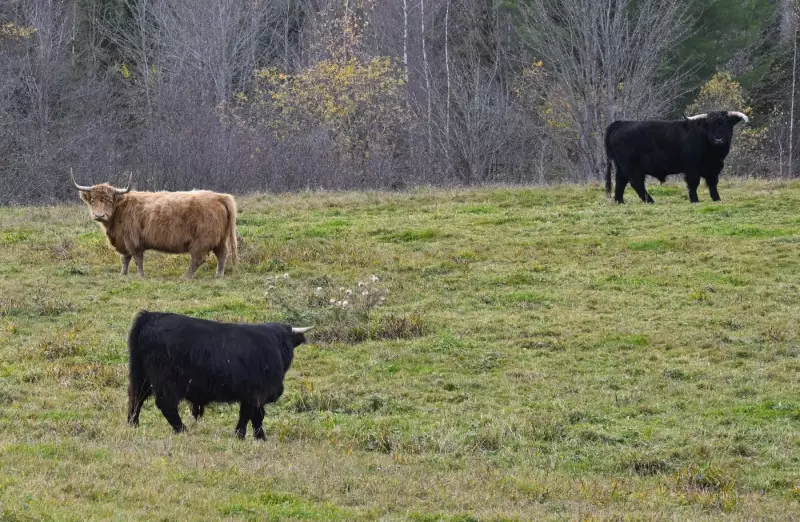
Scientists on Prince Edward Island are digging into an unexpected resource in the fight for healthier farms and a cleaner environment: cow manure. A new research initiative is examining how this common agricultural byproduct can be repurposed to fortify soil and significantly reduce harmful emissions.
From Waste to Resource: Reimagining Manure Management
The research, highlighted in late December 2025, focuses on transforming the traditional view of livestock waste. Instead of seeing it merely as a disposal challenge, the P.E.I. team is investigating its potential as a powerful, natural soil amendment. The goal is to develop methods that integrate manure into farming practices in a way that locks carbon into the earth and improves soil structure, moving beyond basic fertilizer use.
This approach tackles two major issues simultaneously. First, it aims to enhance the resilience and fertility of agricultural land, which is critical for food security. Second, it seeks to mitigate the environmental impact of farming by finding a productive use for manure that prevents the release of potent greenhouse gases like methane and nitrous oxide into the atmosphere during storage and conventional application.

The Science Behind Strengthening Soil and Cutting Emissions
The study involves analyzing how processed or treated manure interacts with different soil types common to the region. Researchers are looking at how its application affects soil organic matter, water retention, and microbial activity. A key component is understanding the carbon cycle; by effectively incorporating organic carbon from manure into the soil, carbon is sequestered rather than released as carbon dioxide.
This research has significant implications for Prince Edward Island's agricultural sector, a cornerstone of the provincial economy. Farmers are constantly seeking cost-effective and sustainable ways to maintain their land's productivity. If proven successful, these manure management techniques could provide them with a valuable tool produced on-site, reducing dependency on external inputs and lowering their environmental footprint.
A Sustainable Path Forward for Canadian Farming
The P.E.I. project is part of a broader national and global movement to create more circular economies within agriculture. The concept of "closing the loop"—where waste from one part of the farm system becomes a valuable input for another—is gaining traction as a pillar of sustainable food production.
While the research is ongoing, early insights suggest that with the right treatment and application methods, cattle manure could become a cornerstone of climate-smart agriculture in Canada. The work on the Island contributes vital data to a growing field of science that views farm waste not as a problem, but as a key part of the ecological solution for building healthier soil and combating climate change.






