

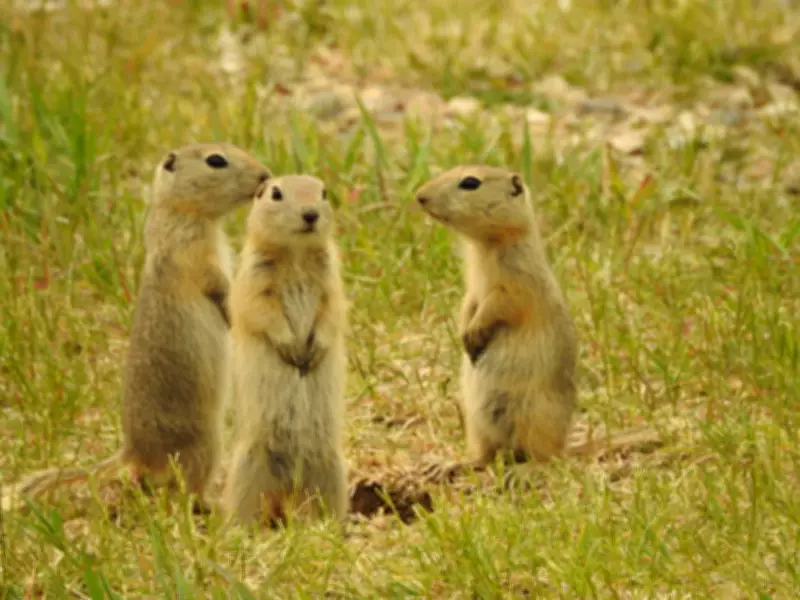
Federal Government Extends Emergency Strychnine Use in Prairies for Gopher Control Until 2027
The Canadian federal government has granted an emergency authorization allowing the use of strychnine in prairie provinces until 2027 to combat significant gopher infestations. This decision comes as agricultural communities face mounting pressure from rodent populations that threaten crop yields and land stability.
Addressing Agricultural Concerns
Officials emphasize that this measure is a targeted response to protect vital farming operations across regions like Saskatchewan, Alberta, and Manitoba. Gophers, also known as Richardson's ground squirrels, have been reported in unusually high numbers, causing extensive damage to fields and infrastructure.
The emergency use is strictly regulated, with guidelines ensuring it is applied only in areas where non-lethal methods have proven ineffective. Authorities stress that this is a temporary solution while research into alternative pest management strategies continues.

Environmental and Safety Considerations
Environmental groups have expressed concerns over the potential impact of strychnine on non-target species and ecosystems. In response, the government has implemented enhanced monitoring protocols to track usage and mitigate risks to wildlife.
- Restricted application zones away from sensitive habitats
- Mandatory training for users to prevent accidental exposure
- Regular reporting requirements to assess effectiveness and side effects
This extension follows previous short-term authorizations, highlighting the persistent nature of the gopher issue in prairie agriculture. Stakeholders, including farmers and conservationists, are urged to collaborate on developing sustainable long-term solutions.
Looking Ahead to 2027
The authorization is set to expire in 2027, with a review scheduled for 2026 to evaluate progress and adjust strategies as needed. This timeline aims to balance immediate agricultural needs with ongoing environmental stewardship efforts.






