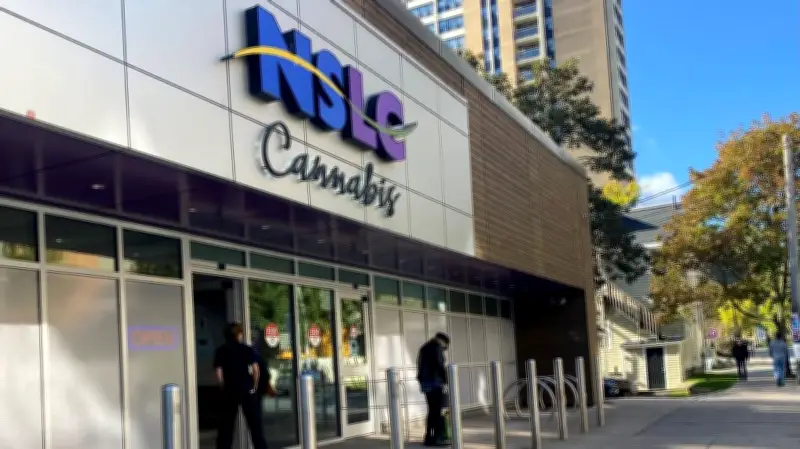
Nova Scotia's cannabis sales through the Nova Scotia Liquor Corporation (NSLC) have seen a significant surge, yet the provincial government remains unable to determine the amount of revenue lost to the underground market. This uncertainty has raised questions about the effectiveness of the current regulatory framework in capturing the full potential of legal cannabis sales.
Record Sales at NSLC
The NSLC reported a substantial increase in cannabis sales over the past year, with revenues climbing sharply as more consumers turn to legal outlets. However, the government has admitted that it lacks the tools to accurately measure the scale of the illicit market, which continues to operate alongside the legal system.
Challenges in Tracking Underground Activity
Officials have pointed to the difficulty in tracking underground sales, as transactions often occur in cash and through unregulated channels. Without reliable data, it is impossible to estimate how much revenue is being siphoned away from the provincial treasury.

Critics argue that the government’s inability to assess the underground market undermines efforts to justify the high taxes and regulatory costs associated with legal cannabis. They call for better enforcement and more competitive pricing to lure consumers away from illegal sources.
Implications for Policy
The surge in NSLC sales suggests that many consumers are choosing legal options, but the persistent underground market indicates that price, convenience, or product availability still drive some buyers to illegal sellers. Policymakers are now under pressure to refine their approach to ensure that the legal market can compete effectively.
As Nova Scotia continues to navigate the complexities of cannabis legalization, the government’s inability to quantify lost revenue remains a key blind spot. Future strategies may include enhanced data collection, targeted enforcement, and adjustments to taxation or licensing to better capture the market.