

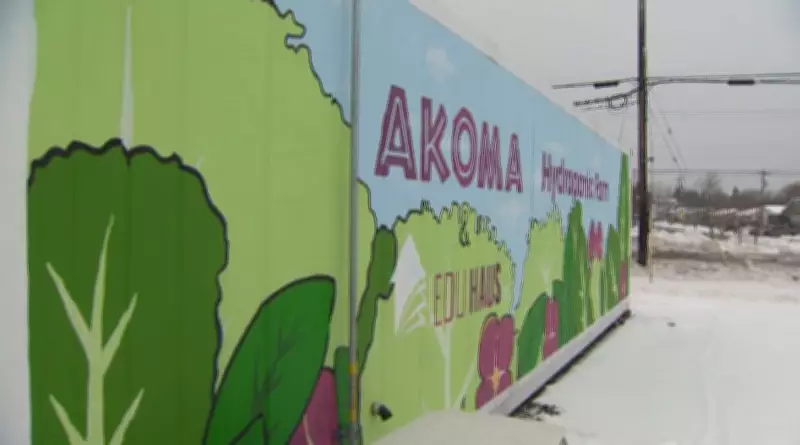
Nova Scotia Community Groups Unite to Promote Hydroponic Farming Education
In an innovative move toward sustainable agriculture, multiple organizations across Nova Scotia have joined forces to provide comprehensive training in hydroponic farming techniques. This collaborative effort aims to address growing interest in alternative farming methods while fostering practical horticultural skills within local communities.
Hands-On Learning Through the Akoma Hydroponic Garden
The initiative prominently features the Akoma Hydroponic Garden, which serves as both a functioning production facility and an educational hub. Currently cultivating fresh basil and other herbs, this garden provides young participants with direct experience in soilless agriculture. Hydroponic systems allow plants to grow in nutrient-rich water solutions, offering several advantages over traditional soil-based farming including reduced water usage and year-round production capabilities.
Educational programming focuses on the scientific principles behind hydroponics while emphasizing practical application. Participants learn about nutrient management, pH balancing, lighting requirements, and system maintenance. This hands-on approach helps bridge the gap between theoretical knowledge and real-world agricultural practice.

Addressing Local Food Security and Sustainability
The collaboration between Nova Scotia groups comes at a time when communities are increasingly concerned about food security and environmental sustainability. Hydroponic farming presents a viable solution for regions with limited arable land or challenging growing conditions. By teaching these techniques locally, organizers hope to:
- Increase year-round production of fresh produce
- Reduce transportation needs for imported foods
- Minimize agricultural water consumption
- Create new economic opportunities in the green sector
Youth engagement remains a central component of the program, with organizers recognizing that early exposure to sustainable agriculture can inspire future career paths in environmental science, botany, and food systems management.
The Broader Context of Agricultural Innovation in Canada
This Nova Scotia initiative reflects a growing national trend toward innovative farming practices. Across Canada, communities are exploring controlled-environment agriculture as a response to climate challenges and food supply concerns. The collaborative nature of the Nova Scotia project demonstrates how local partnerships can effectively advance agricultural education without requiring massive institutional infrastructure.
As hydroponic technology becomes more accessible and cost-effective, similar community-based programs may emerge in other regions. The success of this collaborative effort could serve as a model for other provinces seeking to enhance their agricultural education offerings while promoting sustainable food production methods.






