

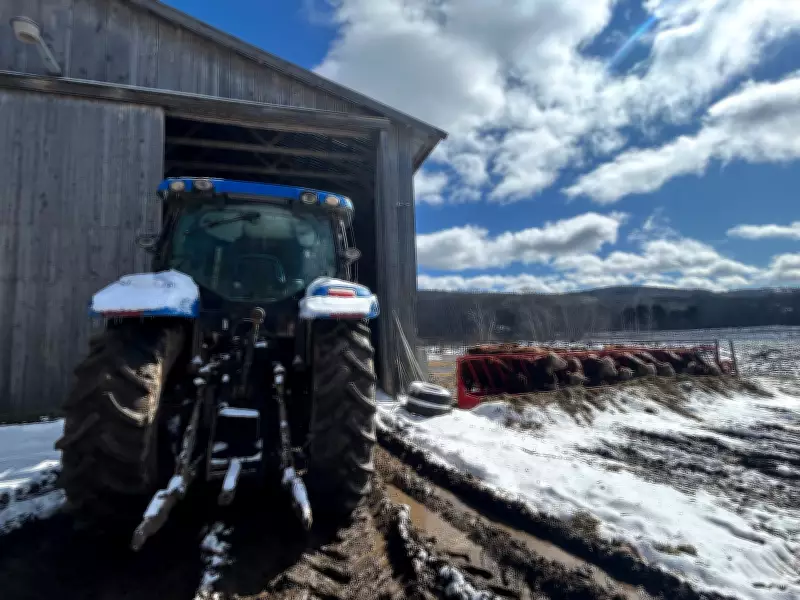
Nova Scotia Farm Owner Confronts Escalating Diesel Expenses
In the rural landscapes of West Hants, Nova Scotia, a farm owner is navigating a significant financial hurdle as the cost of diesel continues its upward trajectory. This situation underscores the broader economic pressures facing agricultural operations across the province and beyond.
The Burden of Rising Fuel Costs
The farm, identified as Oulton Farms, relies heavily on diesel for its daily operations, from powering machinery to transporting goods. With diesel prices climbing steadily, the owner reports a substantial increase in operational expenses, which threatens the farm's profitability and sustainability. This challenge is not isolated; many farmers in Nova Scotia and other regions are experiencing similar strains, as fuel costs consume a larger portion of their budgets.
Economic Impact on Agriculture

The rising cost of diesel is part of a larger trend affecting the agricultural sector. Farmers must contend with fluctuating fuel prices alongside other expenses such as feed, equipment maintenance, and labor. This financial squeeze can lead to difficult decisions, including potential price increases for consumers or reductions in farm output. The situation at Oulton Farms serves as a microcosm of the vulnerabilities within rural economies, where external factors like fuel prices can have immediate and profound effects.
Broader Context and Industry Challenges
Beyond Nova Scotia, the agricultural industry nationwide is grappling with similar issues. Factors such as global oil market dynamics, transportation logistics, and environmental regulations contribute to the volatility in diesel prices. For farm owners, this uncertainty complicates long-term planning and investment in sustainable practices. The struggle at Oulton Farms highlights the need for supportive policies and innovations to help farmers adapt to these economic pressures.
Community and Environmental Considerations
As farmers like those at Oulton Farms seek solutions, there is growing interest in alternative energy sources and efficiency measures. However, transitioning to greener options often requires upfront investments that may be prohibitive under current financial constraints. This dilemma underscores the intersection of economic viability and environmental stewardship in modern agriculture.
Looking Ahead: Potential Solutions and Support
To address these challenges, stakeholders are calling for a multi-faceted approach. This includes government assistance through subsidies or tax relief, industry initiatives to promote fuel-efficient technologies, and community support for local farming. By fostering resilience in the agricultural sector, it may be possible to mitigate the impact of rising diesel costs and ensure the continued vitality of farms like Oulton Farms.
In summary, the plight of this Nova Scotia farm owner reflects a critical issue in today's agricultural landscape. As diesel prices rise, the need for adaptive strategies and collaborative efforts becomes increasingly urgent to sustain farming operations and support rural communities.






