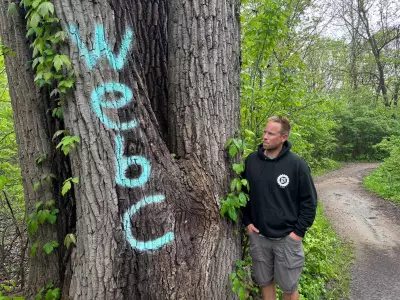
Over the past few years, both my husband and I have felt increasingly disappointed that we don't have closer geographic and emotional relationships with our families of origin. No family members live in our state, and none of them are as comfortable traveling as we are, so it often falls on us to visit them if we want to spend time together. But we have also become burned out packing up the kids and traveling to see extended family on their home turf. So this year, we decided to do something about it. We carefully selected family members from both sides, including multiple total strangers who had never met each other, and chose a location roughly in the middle. We booked a couple of campground lodgings. We promised no cost to our families; all they had to do was drive there and get along. It was the biggest multigenerational travel gamble we had ever taken. But we hoped it would be worth it.
Planning an Intergenerational Trip
Planning an intergenerational trip can mean trying to balance a lot of vastly different interests. But it is not impossible. When planning our trip to include 10 family members ranging in age from 3 to 60-something, we wanted to be super intentional. After all, the hope is that everyone will have a reasonably lovely time, despite differences. So, I spoke to some pros about how to plan smart and preserve relationships along the way.
Mindfully Planning Multigenerational Travel Matters
Multigenerational travel can be meaningful and challenging, said board-certified psychiatrist Dr. MaryEllen Eller. Even people we love can be difficult to spend extended time with, especially with disrupted routines, jet lag, and different preferences around walking speed, food, and activities. Even though we were starting from a smart spot, with a primo selection of family members we actually adore, there were still the drivers versus flyers to consider, the early risers versus night owls, plus all kinds of different diets, abilities, and activity levels to manage.

One of the trickiest parts of planning this trip was deciding whom to invite and whom not to. Rather than including every single one of our extended family members, we tried to choose a mix of personalities we thought might blend well. This was not about exclusion; it was about feasibility. A trip like this requires a baseline of openness and flexibility, and we knew not every family member would be up for that.
Eller said it is totally fine to accept that not every trip will suit every family member due to differences in mobility, interests, or life stage. When that is the case, direct and respectful communication is key, she stressed. Being open and honest about the nature of the trip, while maintaining a tone of care and consideration, helps reduce the likelihood of hurt feelings.
Relationship therapist Ligia Orellana agreed and suggested framing the partial family gathering as more about logistics. Explaining the decision in practical terms can make it feel less personal and less emotionally charged.
So, I booked flights to visit my brothers and mom later this year, and my sister and I explained the reasons behind our road trip to the middle of the forest without them. Orellana suggests saying something like, We thought this would be a good mix to try for this year, to create emotional distance and a hope for future trip variations.
Setting Realistic Expectations
With so many elements to juggle, Eller advises not aiming too high with your trip goals: The goal is not a perfect trip, but a flexible and respectful one. Setting realistic expectations ahead of time helps normalize friction and reduce avoidable frustration. That means clearly communicating any travel requirements surrounding schedule, cost, and more before the trip, as uncomfortable as that may feel. Otherwise, you risk surprises springing up, and nobody wants a mid-trip showdown over who gets which room. So when making travel plans, ask, do not assume. Assumptions create misunderstandings. Instead, clear, proactive communication about expectations, how people want to spend their time, what matters most to them, and where flexibility is needed, can minimize misunderstandings.

For us, this advance expectation-setting led us to decide we wanted multiple lodging options in close range to each other, plus plenty of wide-open, outdoor space. Chatting beforehand with the family members we had looped in, we realized we needed major flexibility to accommodate everybody's wildly different sleep and energy schedules. My 3-year-old still naps, for example, while my autistic nephew needs lots of runaround space. The adults, meanwhile, wanted to be able to go on hikes or lounge around with a few beers.
This was ultimately how we landed on Emberglow Outdoor Resort in Mill Spring, North Carolina, right near the shores of Lake Lure and situated within 400,000 acres of Talladega National Forest. Like a high-end version of the classic campground, this spot let us choose between pitching a tent, parking an RV, or booking one of the on-site lodgings, from tiny houses to a revamped double-decker bus. Given the size of our group and the uncertainty of mountain weather in the springtime, we selected an ADA-accessible and fully heat- and AC-equipped deluxe yurt as well as the biggest pick on-site, the Family Treehouse. Then, we hit the road.
Optimism Meets Reality
Optimism does have to meet reality at some point. Family members embarked from three different home states and drove six to 12 hours to the campground. At the end of our fourth hour, my partner and I started to feel the emotional whiplash. Disappointment: We had learned that his younger brother and sister were caught up with work and relationships and would not be able to make it after all. Excitement: This could still be amazing, a chance for bonding, his parents and my sister together for the first time. Then dread: What if nobody clicks? What if we have just invited chaos into the woods and called it a vacation?
If you are considering a multigenerational trip, this is your first mental prep step: Accept that you are inviting complexity into a shared space. Family therapist Caitlin Blair said the feelings that catch people off-guard most often on big family trips are regression and resentment. You can be a fully functioning adult and still find yourself sliding back into old family dynamics the moment you are all under one roof. This is super normal. The solution? Build in space, she said.
That is why we gravitated toward the campground setup, which allowed for both togetherness and privacy, with enough space that people could retreat. That balance was crucial, which became immediately evident upon our arrival: Two kids went straight to the playground, two played in the treehouse, my husband cooked, my in-laws went for a walk, my sister and I vaguely supervised the smallest and most chaotic children, and my brother-in-law disappeared for a nap after driving the 12 hours. Wins for all.
After all, the most successful trips balance shared experiences with individual autonomy, allowing for both connection and personal choice. This often means taking time alone.
Navigating Expenses and Dynamics
Spending was another delicate dance. Even though we had covered the main costs, incidental expenses started to creep in, such as groceries, firewood, and shared supplies. Luckily, everyone wanted to chip in; the baseline of zero accommodation costs made other spending more comfortable. Still, navigating all of it required grace and flexibility. The grandparents arrived the most prepared; they brought coffee for everyone and enough ingredients for multiple breakfasts. We millennials, meanwhile, kept running to and from the grocery store. All in all, it seemed like we were all doing a well-intentioned, if disorganized, job at keeping generosity flowing.
Here is what surprised me most: the emotional climate. It was so lovely. Cousins and grandparents were reunited. My sister and mother-in-law hit it off immediately. At one point, I could smell weed and had about five different guesses as to which family member it belonged to. Laughter around the fire. Hot dogs and grilled oysters. Relatives hooting within minutes of meeting each other, thanks to the 3-year-old announcing, EVERYONE, I FARTED.
Yes, there were also spats and side conversations. My husband and I definitely had a fight during the trip, and one of us stormed off, pissed, to our off-property hideaway, the grocery store. The cousins bickered. My mother-in-law pulled my husband aside one night for a seemingly stern heart-to-heart about his current job hunt. And people navigated personal boundaries in real time. Some, most, needed alone time. Others wanted constant connection, sincerely, the two of us who shared one trundle bed until college. Some family members bonded quickly, while others kept more distance.
The Gift of Unstructured Time
We did not overplan, and that turned out to be a gift. We sketched out big group meals together, but otherwise ran on unstructured time. Grandma brought plenty of crafts, and we swapped gardening magazines. The kids ran amok through the creek and at the nearby playground and basketball courts. My sister and I slipped away to take, I kid you not, an adult ballet class a short distance down the mountain road. The experts I spoke with recommended this dance, pun intended, between structure and flexibility for multigenerational travel. Too much planning can feel restrictive; too little can lead to disconnection. We landed in the middle, and it worked.
And perhaps most importantly, we showed up, despite many hours of driving and a multitude of misgivings. All 10 of us were willing to take a risk to create something new, let go of perfection, and spend spring break stomping through a creek with some would-be strangers who we now truly feel are family.