

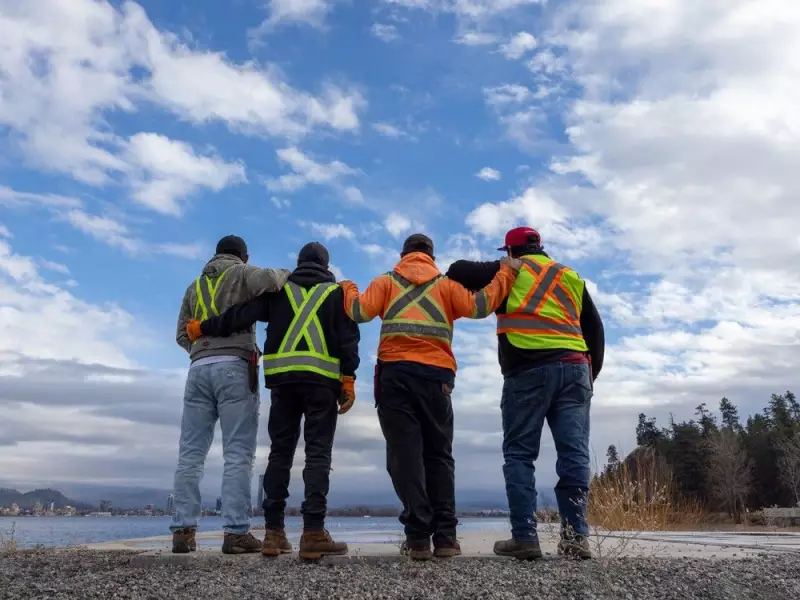
Canada's agricultural sector, a cornerstone of the national economy and food supply, relies heavily on a workforce that often remains unseen by the public. Tens of thousands of temporary foreign workers are employed each year to plant, tend, and harvest the produce that fills grocery stores across the country.
A System Prone to Abuse
For many workers, the opportunity to come to Canada through the Temporary Foreign Workers (TFW) program represents a critical lifeline, a chance to earn wages that can support families back in their home countries. However, a growing body of evidence and investigative reporting suggests that the very system designed to facilitate this employment is structurally flawed, creating conditions ripe for exploitation and, in some cases, outright abuse.
The program, while essential for filling labor shortages, ties a worker's immigration status directly to a single employer. This dependency can leave individuals vulnerable, fearful of reporting poor working conditions, unsafe housing, or wage theft due to the potential consequence of being sent home.

Voices from the Investigation
In a recent discussion, host Dave Breakenridge spoke with Robert Cribb, founder and director of the Investigative Journalism Bureau, to delve into the realities faced by these migrant laborers. Their conversation, part of the ongoing scrutiny of the TFW program, highlighted how policies intended to help can inadvertently set workers up for harm.
Cribb's work points to systemic issues where the balance of power overwhelmingly favors employers, making it difficult for workers to assert their rights. The situation has been starkly described in related reporting, with one investigation quoting sources who label the conditions as "the new slavery," citing instances of workers being underpaid, abused, and suffering injuries without adequate recourse or support.
The Human Cost and the Path Forward
The implications are profound, touching on human rights, labor standards, and the ethics of Canada's food production chain. The visual of migrant workers overlooking Okanagan Lake near Kelowna, captured in November 2025, symbolizes both the beauty of the regions they help sustain and the isolation they can experience within it.
This reporting underscores an urgent need to re-examine the safeguards within the Temporary Foreign Worker Program. Advocates and journalists are calling for reforms that would grant workers more mobility between employers, enhance inspection regimes, and ensure clearer, more accessible pathways to report grievances without fear of reprisal.
As Canada continues to depend on this vital workforce, the challenge remains to align the program's economic necessities with unwavering commitments to dignity, safety, and fair treatment for all who contribute to the nation's agricultural bounty.






