

Metro Vancouver's Agricultural Sector Faces Steep Decline Over 25 Years
A recent report from Metro Vancouver has documented a troubling trend across the region's agricultural landscape. The data reveals significant decreases in the number of farmers, farms, and available farmland over the past quarter-century, painting a concerning picture for local food production and security.
Farmers Confront Growing Challenges and Uncertainty
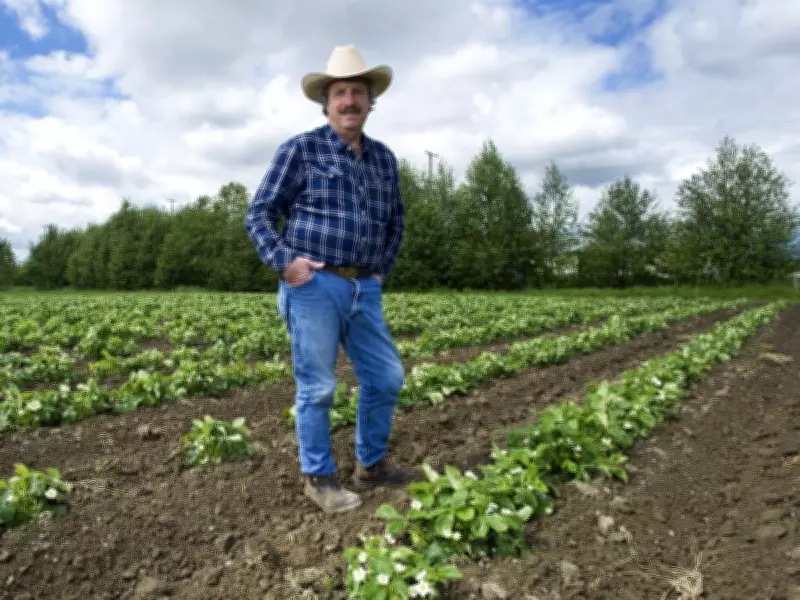
Bill Zylmans, a retired strawberry and vegetable farmer who continues to lead the B.C. Potato and Vegetable Growers Association, reflects on the dramatic changes he has witnessed. "When I got into agriculture in the mid-'70s, starting out on my dad's little farm, I felt like I had the wind at my back," Zylmans recalled. During those earlier years, the return on his harvest was sufficient to allow him to expand his operations, purchase additional land, increase crop production, and maintain profitability. At his peak, Zylmans was farming 243 hectares (600 acres) in Richmond.
"But those days are gone," he stated bluntly. "Today's farmers have the wind in their faces." Zylmans described how his own children, after observing him "work way too hard, putting in more and more hours for less return," chose to pursue careers outside of agriculture when discussing farm succession. "The dream isn't as vivid," he explained. "There's too much uncertainty. You could borrow millions and it could be gone tomorrow."

Statistical Evidence of Agricultural Decline
The Metro Vancouver agriculture data update, scheduled for presentation to the regional planning committee, utilizes multiple measures to assess the health of the agricultural sector, with nearly every indicator showing cause for serious concern:
- The number of farm operators in Metro Vancouver plummeted by 39 percent between 1996 and 2021
- More than two-thirds of current farmers are now over age 55
- Farm operators in the 34-to-55 age group decreased from 55 percent in 1996 to just 27 percent in 2021
- Farmers over 55 now constitute 69 percent of all operators
- The region has experienced a 39 percent decrease in the number of farms
- Farm numbers dropped by 12 percent in just the last five years
"This comparison clearly demonstrates the lack of a next generation to support agricultural production in the region," the report states. "This will increase the need to import more of the region's food, particularly from the United States and Mexico, and decrease the overall resilience of the region's food system."
Multiple Factors Contributing to the Crisis
While the report doesn't identify a single cause for the agricultural shift, several significant factors have emerged:
- Skyrocketing Land Costs: The high cost of land in Metro Vancouver has made it increasingly difficult for farmers to acquire and maintain agricultural properties
- Financial Volatility: Farmers face growing uncertainty about returns on their investments and operational stability
- Aging Farmer Population: With most operators now over 55, the sector faces an imminent succession crisis
- Decreasing Profit Margins: Many farmers report working longer hours for diminishing financial returns
Carla Stewart, the planner responsible for the Metro Vancouver report, emphasized that the data requires "a deeper dive" to understand whether the loss of farms and farmland has accelerated in recent years. The regional district is currently working on additional data that will incorporate information from the provincial agricultural land use inventory later this year.
"The numbers clearly show the sector is facing challenges," Stewart confirmed, highlighting the need for comprehensive analysis and potential policy interventions to address the ongoing decline in Metro Vancouver's agricultural foundation.






