

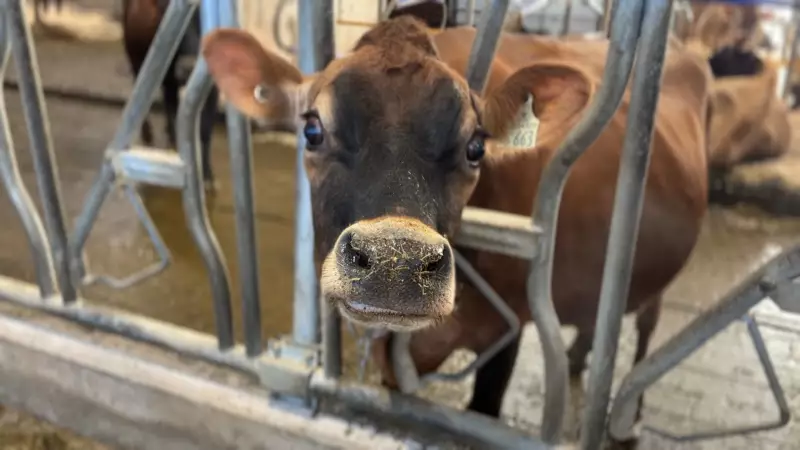
Farmers across Canada's Maritime provinces are confronting a harsh reality as winter sets in: a critical shortage of hay and animal feed. This scarcity is a direct consequence of a severe summer drought that parched fields and stunted crop growth, leaving many agricultural operations scrambling to sustain their livestock.
The Root of the Crisis: A Parched Summer
The core of the problem traces back to the summer of 2025, when significantly lower-than-average rainfall hit the region. This extended dry spell severely impacted the growth of hay and other forage crops, which are essential for feeding cattle, sheep, and other livestock through the long winter months. The drought reduced both the yield and the nutritional quality of the harvest, creating a deficit that current supplies cannot cover.
Josh Smith of CTV News Atlantic reported on the emerging crisis in late December 2025, highlighting the growing concern among the farming community. With inventories depleted much earlier than usual, producers are now faced with the difficult and expensive task of sourcing feed from farther afield.

Immediate Impacts and Tough Choices
The feed shortage is forcing Maritime farmers to make difficult decisions. Some are considering reducing their herd sizes earlier than planned to lower feed demands, which could have longer-term implications for their operations and the regional food supply. Others are investing significant funds to transport hay from other provinces or even from the United States, dramatically increasing their overhead costs.
This financial strain comes at a time when input costs for fuel, fertilizer, and equipment remain high. The combination threatens the economic viability of many family-run farms. Furthermore, the nutritional gap poses a direct risk to animal health and welfare, as livestock may not receive the full sustenance required during the coldest part of the year.
Looking Ahead: Resilience and Adaptation
The current crisis underscores the vulnerability of agriculture to extreme weather events, which are becoming more frequent due to climate change. Farmers and agricultural organizations are now compelled to discuss longer-term strategies for building resilience. These conversations may include diversifying crops, investing in improved irrigation infrastructure, and creating better regional feed-sharing networks or insurance programs to buffer against future droughts.
While the immediate focus is on getting through the winter, the experience of 2025 serves as a stark warning. It highlights the need for proactive planning and support systems to ensure the sustainability of Atlantic Canada's vital agricultural sector in the face of an unpredictable climate.






