Iran War's Ripple Effect: Farming Costs and Grocery Prices Set to Surge
The escalating military conflict in Iran is sending shockwaves through global markets, with experts warning of substantial impacts on agricultural operations and consumer grocery bills in Canada. As tensions rise, the anticipated surge in oil prices is expected to drive up costs across the farming sector, from fuel for machinery to transportation and production inputs.
Oil Price Volatility and Agricultural Implications
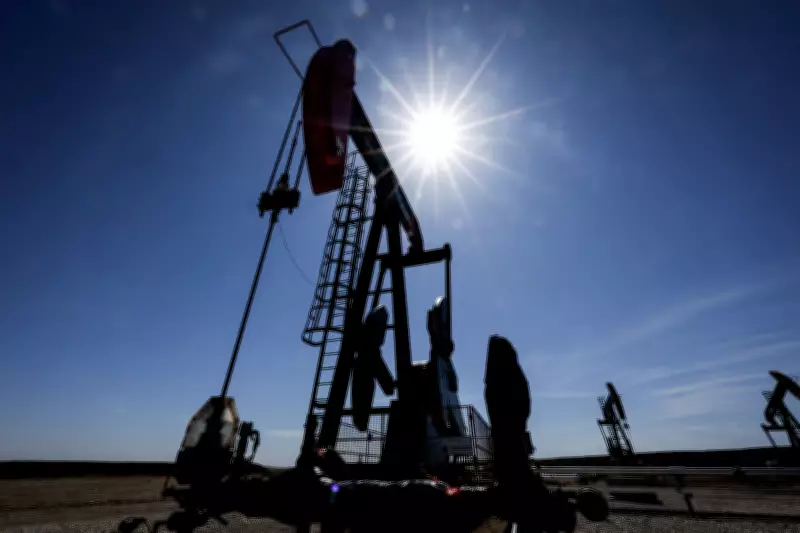
Recent fluctuations in crude oil markets, with prices whipping from nearly US$120 per barrel back below US$90, highlight the instability triggered by the Iran war. For Canadian farmers, this volatility translates directly into higher expenses. Fuel costs for tractors, combines, and irrigation systems are poised to increase, squeezing profit margins for producers already grappling with variable weather patterns and supply chain challenges.
Moreover, the reliance on petroleum-based products extends beyond mere fuel. Fertilizers, pesticides, and plastics used in packaging are all derived from oil, meaning their prices are likely to climb in tandem with crude oil benchmarks. This multifaceted cost pressure threatens to make farming operations significantly more expensive in the coming months.

Projected Impact on Grocery Store Shelves
Consumers should brace for noticeable price hikes at the checkout counter. The increased cost of production and transportation will inevitably be passed down the supply chain, affecting a wide range of grocery items. Staples such as bread, dairy products, and fresh produce may see marked increases, as the expenses associated with growing, harvesting, and distributing these goods escalate.
This situation is exacerbated by existing inflationary pressures and supply chain disruptions, creating a perfect storm for higher food prices. Families on tight budgets may need to adjust their shopping habits, potentially opting for less expensive alternatives or reducing consumption of certain items.
Broader Economic and Trade Considerations
The Iran conflict's influence extends beyond domestic agriculture. Global trade routes, including those vital for importing agricultural inputs and exporting Canadian products, could face disruptions. Increased insurance premiums for shipping and potential delays at ports may further inflate costs, complicating the economic landscape for farmers and agribusinesses.
Additionally, the war's impact on international relations and trade policies could lead to shifts in export markets, affecting Canadian farmers who rely on overseas sales. The interconnected nature of the global economy means that geopolitical events in one region can have far-reaching consequences for agricultural sectors worldwide.
Mitigation Strategies and Future Outlook
In response to these challenges, farmers and industry stakeholders are exploring various mitigation strategies. These include:
- Adopting more fuel-efficient technologies and practices to reduce consumption.
- Diversifying energy sources, such as incorporating renewable options where feasible.
- Enhancing supply chain resilience through local sourcing and improved logistics.
However, the effectiveness of these measures may be limited by the scale and duration of the conflict. Continued monitoring of oil price trends and geopolitical developments will be crucial for anticipating further impacts on the agricultural sector and food prices.
As the situation in Iran evolves, Canadian consumers and producers alike must prepare for a period of increased financial pressure. The war's ripple effects underscore the vulnerability of global food systems to geopolitical instability, highlighting the need for robust planning and adaptive strategies in the face of uncertainty.