

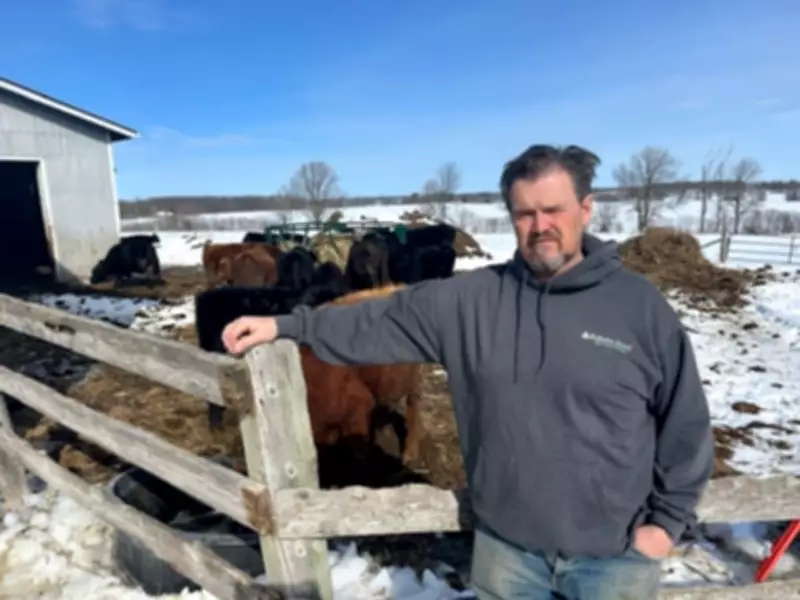
Eastern Ontario Farmers Voice Concerns Over High-Speed Rail Impact on Farmland
Residents in Vankleek Hill, a community in Eastern Ontario, are raising significant concerns about the potential impact of a proposed high-speed rail line on local farmland. The rail project, which would connect Ottawa and Montreal, is facing scrutiny from agricultural stakeholders who fear it could disrupt farming operations and land use in the region.
Agricultural Disruption Fears
Farmers and rural residents argue that the construction and operation of the high-speed rail line could lead to the fragmentation of agricultural land, making it more difficult to manage large-scale farming operations. There are worries about noise pollution, vibration, and potential contamination from construction activities, which could affect crop yields and livestock health. Additionally, the rail line might require the acquisition of farmland through expropriation, reducing the available acreage for agricultural production.
Community Response and Advocacy
Local advocacy groups have begun organizing meetings and petitions to voice their opposition to the project as currently proposed. They emphasize the importance of preserving farmland for food security and economic stability in Eastern Ontario. Some residents are calling for a more thorough environmental assessment and community consultation process to address these concerns before any construction begins.

Broader Implications for Regional Agriculture
The proposed high-speed rail line is part of a larger infrastructure initiative aimed at improving transportation between major urban centers. However, critics point out that such projects often overlook the needs of rural communities and agricultural sectors. If not carefully planned, the rail line could set a precedent for future developments that further encroach on farmland, potentially threatening the viability of farming in the area long-term.
As discussions continue, stakeholders are urging policymakers to consider alternative routes or mitigation strategies that minimize impact on agriculture. This includes exploring options like elevated tracks or underground tunnels in sensitive areas, as well as implementing buffer zones to protect farmland from rail-related disturbances.






