

Farm Labor Crisis Deepens as Immigration Enforcement Disrupts Harvests
Across social media platforms, a disturbing trend has emerged: farmers and news outlets sharing videos of ripe crops left unharvested in fields as immigration crackdowns scare away or remove the essential workers needed for picking operations. This visual evidence points to a growing crisis in American agriculture that could have significant consequences for food availability and pricing.
The Scale of the Workforce Challenge
According to comprehensive 2022 government data, approximately 42% of farmworkers lack proper work authorization, while another 19% are authorized immigrants who may still face targeting under current enforcement policies. In certain agricultural sectors, undocumented immigrants constitute more than 50% of the workforce. Agricultural economists and labor experts have been sounding alarms about this impending crisis since the previous administration intensified deportation raids, warning that reduced labor availability directly translates to diminished agricultural output.
The fundamental equation remains starkly simple: fewer workers equals less produce harvested. This reality raises urgent questions about potential empty grocery store shelves and further increases in already elevated food prices.

Current Impact: Localized Disruptions With Broader Implications
David Ortega, professor and Noel W. Stuckman Chair in food economics and policy at Michigan State University, provides crucial context: "Currently, we're seeing anecdotal reports of localized disruptions, but not broad, national-level indicators that would suggest a systemic impact on food availability or prices."
Nevertheless, immigration enforcement actions in California, Oregon, and Minnesota have already disrupted farm operations, forcing some growers to scramble for replacement workers. In one particularly stark Oregon case, a farmer estimated losses approaching $300,000 in unharvested crops due to labor shortages.
The Chilling Effect Beyond Direct Enforcement
The impact extends beyond those directly detained or deported. Zachariah Rutledge, assistant professor in Michigan State's department of agricultural, food, and resource economics, explains emerging patterns: "We are finding evidence consistent with 'chilling effects' where farmers stated that general reports about immigration enforcement from the media or other sources have led to some reductions in workers showing up to work on California farms."
This phenomenon means that even workers with proper documentation may avoid agricultural work out of fear of being caught in enforcement actions, creating labor shortages that exceed the numbers of those actually detained.
Vulnerable Crops and Regions
Ortega identifies the most exposed sectors: "Fruits and vegetables rely heavily on hand harvesting, and many of these operations depend on immigrant labor, including undocumented workers. Regions like California's Central Valley, Michigan's specialty crop sector, Florida's fruit and vegetable sector, and parts of the Pacific Northwest are particularly exposed."
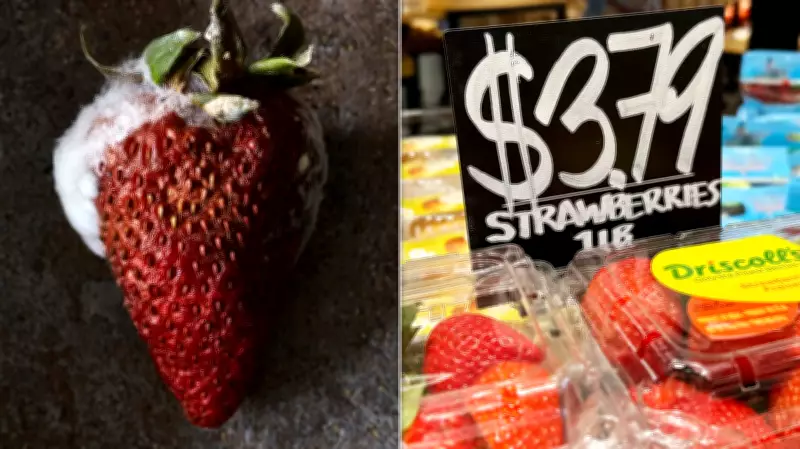
A recent Calx Institute report projects that California, Washington, Texas, and Florida would experience the most severe impacts, with potential reductions in fruit and vegetable production ranging from 15% to 20%. Highly perishable crops requiring rapid hand harvesting—such as strawberries in peak season, tomatoes at their ripest, and lettuce that cannot remain in fields—face the greatest risk of being left unharvested.
Price Implications for Consumers
After years of elevated food inflation, consumers face the prospect of further price increases. Ortega outlines the timeline: "If a major harvest is compromised, wholesale prices can rise quickly within days or weeks, and retail prices typically adjust within a few weeks or a month."
A case study examining ICE raids in Oxnard, California, estimated workforce reductions of 20% to 40%, resulting in crop losses between $3 billion and $7 billion and produce price increases of 5% to 12%.

Potential Supply Chain Disruptions
Beyond price increases, the agricultural sector faces potential supply disruptions reminiscent of pandemic-era grocery shortages. Jonathan Sarager, senior director of federal government affairs for the Western Growers Association, emphasizes the time-sensitive nature of harvesting: "Crop loss would happen. Labor costs wouldn't go higher—it would simply put folks out of business. We would see more consolidation of farms as smaller operations couldn't keep their doors open."
Ortega provides perspective on the resilience of the broader food system: "The U.S. food system is designed to smooth out regional shocks through national distribution networks and imports. Actual shortages are less common and usually occur only when a disruption affects a dominant production region during a critical window."
The ultimate impact on consumers will depend on multiple factors, including the availability of alternative growing regions, the perishability of affected crops, and retailers' ability to source produce from international markets.





