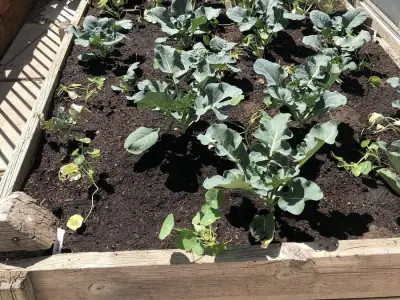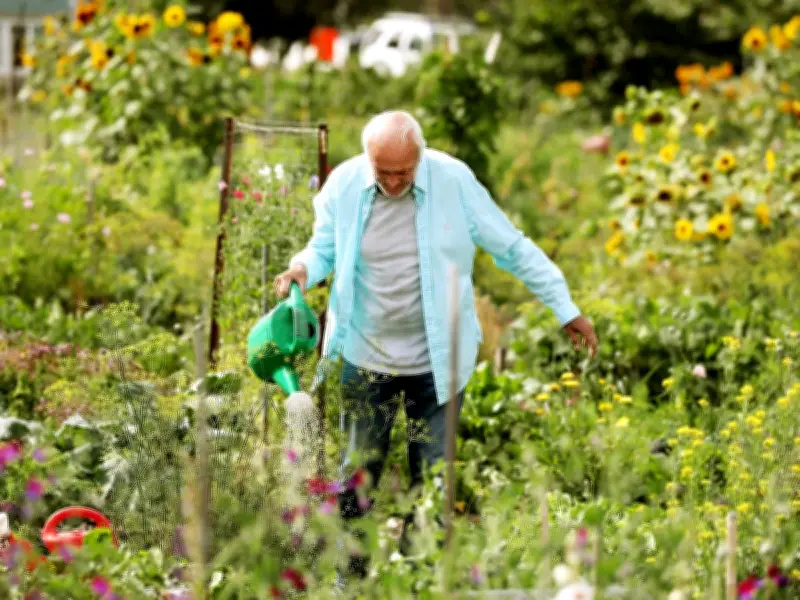
One of the most common mistakes gardeners make is watering too frequently but too lightly, according to Gerald Filipski, author of the Growing Things column. Most vegetables, perennials, trees, and shrubs benefit from deep watering that penetrates 15 to 20 centimetres into the soil. This encourages roots to grow deeper, making plants more drought-tolerant.
How Much Water Does a Vegetable Garden Need?
As a general rule, vegetable gardens need about 2.5 centimetres of water per week, either from rainfall or irrigation. During hot, windy periods, you may need to water more often. Early morning is the best time to water because less moisture is lost to evaporation and foliage dries quickly, reducing the risk of disease. Aiming for a deep watering for your vegetables three times a week is a good rule of thumb.
Adding a 5 to 8 centimetre layer of organic mulch around plants can dramatically reduce water loss and help keep roots cool during summer heat. This practice is especially beneficial in Edmonton's variable climate.

Why Is My Lettuce Bolting?
A reader asked why their lettuce, planted as bedding plants around the end of May, suddenly started producing flower stalks. Filipski explains that this is called bolting, a natural response to long days and warm temperatures. Once lettuce bolts, the leaves often become bitter and less enjoyable to eat.
To extend your harvest, plant small amounts of lettuce every two or three weeks throughout the season. This practice, known as succession planting, ensures a steady supply of young, tender leaves. Filipski notes, “I have used this method for many years, and trust me, it works very well. It also ensures a steady crop ready to harvest.”
Providing afternoon shade during hot weather can also help delay bolting. Heat-tolerant varieties such as ‘Jericho,’ ‘Nevada,’ and ‘Parris Island Cos’ generally perform better during Edmonton’s warm summer days.
Is It Too Late to Fertilize Trees and Shrubs in July?
A reader asked if July is too late to fertilize trees and shrubs after returning from an extended vacation. Filipski advises that in most cases, yes. Heavy applications of fertilizer after early July can encourage tender new growth that may not harden off before winter arrives. Late-season growth is more susceptible to winter injury.
If plants appear healthy and are growing normally, additional fertilizer is usually unnecessary. Instead, focus on watering during dry periods and maintaining a mulch layer around the root zone. Healthy soil and proper moisture management often do more for long-term plant health than extra fertilizer.
For more gardening advice, readers can email questions to filipskigerald@gmail.com, read past columns, or consult the book Just Ask Jerry. Filipski can also be followed on X (Twitter) @justaskjerry01.