

Easter 2026: Economic Realities Reshape Holiday Traditions
Easter has historically been a holiday where cultural customs dictated the menu, with lamb, ham, or turkey gracing dinner tables across Canada. However, in 2026, a significant transformation is underway. The Easter feast is no longer primarily guided by tradition but increasingly by financial considerations, marking a profound shift in how Canadians approach this celebratory meal.
The Protein Divide: From Tradition to Economics
An analysis of retail pricing data from Flipp reveals a stark contrast in protein costs. Turkey remains aggressively priced at under $2 per pound, unchanged from the previous year, serving as a loss leader to attract budget-conscious shoppers. Ham, a traditional centerpiece for many households, is slightly more affordable than in 2025, with prices ranging between $1.99 and $3.99 per pound, positioning it as a compromise option.
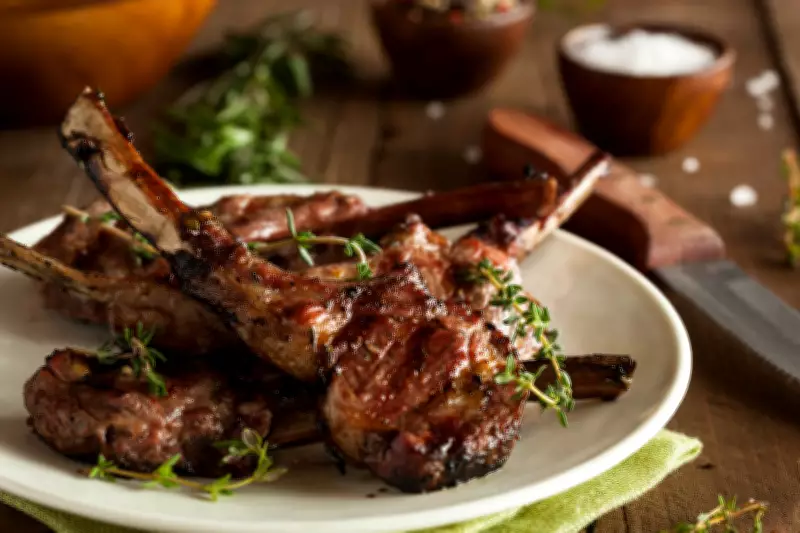
In contrast, lamb has entered premium territory, often priced between $5.99 and $19.99 per pound, with some cuts reaching even higher. This represents a continued increase from last year, widening the gap between lamb and other proteins. Retailers are strategically promoting turkey and ham to drive store traffic during times of consumer financial stress, while lamb is marketed to those with greater disposable income, reflecting import dependencies and higher production costs.

Chocolate and Shrinkflation: Global Pressures Take a Toll
Easter confectionery prices have also risen noticeably, with many products showing increases of 10% to 25% per unit compared to 2025. Large-format items like branded eggs and multi-packs now frequently cost between $6 and $16, up from the $4 to $13 ranges seen previously. Shrinkflation is widespread, with smaller formats and lighter weights masking some of the inflation.
The driver behind these hikes is not retail strategy but global commodity pressures. Cocoa prices have surged due to poor harvests in West Africa, tighter global supply, and speculative activities, forcing retailers to pass costs onto consumers. Unlike turkey or ham, chocolate is not being used as a loss leader this season, making it a clearer indicator of underlying economic strains.
The Emergence of a K-Shaped Easter
This pricing dynamic has led to what analysts term a K-shaped Easter. On one side, households are trading down, opting for turkey or discounted ham to manage persistently high grocery bills. On the other, a smaller segment continues to purchase lamb, absorbing the elevated costs without altering their behavior. The middle ground, once anchored by tradition, is eroding as economic pressures intensify.
Food serves as a resilient expression of culture, and when economic factors begin to alter holiday meals, it signals a deeper shift in consumer reality. Canadians are becoming more strategic in their shopping habits, comparing prices more frequently, substituting items, and making value-driven decisions even on occasions traditionally immune to such considerations.
Broader Implications for Canada's Food System
This trend underscores that affordability is no longer a secondary concern in Canada's food system but a defining force. Easter dinner in 2026 is not merely a meal; it is a reflection of economic conditions, supply chain realities, and retail strategies. The widening gap between proteins and chocolate highlights issues of access and inequality, with tradition increasingly taking a back seat to value for many Canadians.
As noted by Dr. Sylvain Charlebois, director of the Agri-Food Analytics Lab at Dalhousie University, this shift emphasizes the growing importance of economic factors in shaping cultural practices. In an era of high costs, rational consumer behavior is reshaping holiday celebrations, revealing the profound impact of economic pressures on everyday life.






