

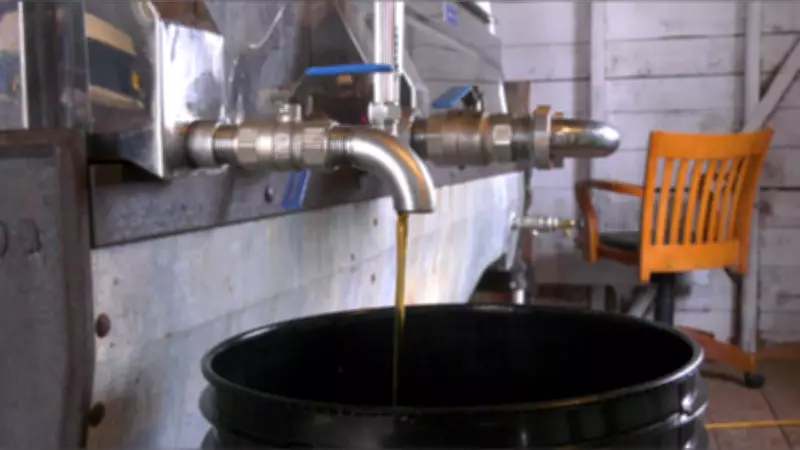
A colder-than-usual spring across parts of Canada is significantly delaying the start of the maple syrup season, leading to reduced sap flow and slower production levels. This unexpected weather pattern has sparked concerns among maple syrup producers in the Maritime regions, who rely on optimal conditions for a successful harvest.
Impact of Unseasonable Cold on Sap Flow
The production of maple syrup is highly dependent on specific temperature fluctuations—freezing nights followed by warm days—to stimulate sap flow in maple trees. However, the persistent cold this spring has disrupted this cycle, causing a notable decrease in sap collection. Producers report that the delay is not only shortening the harvesting window but also potentially reducing overall yield, which could affect supply and pricing in the market.
Regional Concerns in Maritime Canada
In Maritime provinces like New Brunswick, Nova Scotia, and Prince Edward Island, where maple syrup is a key agricultural product, the situation is particularly worrisome. Local producers, many of whom operate small-scale farms, are closely monitoring weather forecasts, hoping for a swift shift to warmer temperatures to salvage the season. The economic implications are significant, as maple syrup contributes to rural livelihoods and regional tourism.

Broader Context and Industry Response
This delay comes amid ongoing challenges in the agricultural sector, including climate variability and market pressures. Industry experts emphasize the importance of adaptive strategies, such as investing in more resilient tree varieties or advanced tapping technologies, to mitigate future disruptions. Meanwhile, producers are urging consumers to support local maple syrup products, highlighting the craftsmanship and tradition behind this iconic Canadian industry.
As the season progresses, stakeholders will be watching closely to see if conditions improve. For now, the cold spring serves as a reminder of how environmental factors can directly impact food production and local economies.






