

West African Cocoa Farmers Face Economic Ruin as Prices Collapse
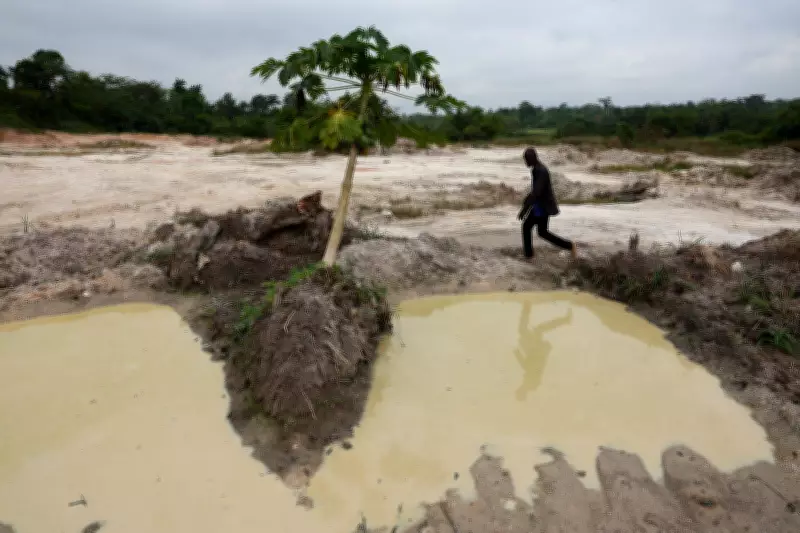
In the heart of Ghana's cocoa-growing region, a stark transformation is underway. Manu Yaw Fofie, a lifelong cocoa farmer, now walks through sections of his land that have been surrendered to sand mining operations. This shift, captured in a recent photograph from Kona, Ghana, on March 6, 2026, symbolizes the desperate measures farmers are taking after a devastating crash in cocoa prices.
The Devastating Impact of the Commodity Crash
The global cocoa market has experienced a severe downturn, leaving West African farmers grappling with financial ruin. Cocoa beans, once a lucrative cash crop, are now rotting in fields as farmers struggle to find buyers willing to pay sustainable prices. This crisis threatens the livelihoods of millions who depend on cocoa cultivation in countries like Ghana and Ivory Coast, which together produce over 60% of the world's cocoa.
The economic fallout has forced many to abandon traditional farming practices. Instead of nurturing cocoa trees, farmers like Fofie are turning to alternative activities such as sand mining, which offers immediate, albeit environmentally concerning, income. This transition highlights the precarious nature of commodity-dependent economies and the vulnerability of small-scale agricultural producers to global market fluctuations.

Seeking Sustainable Alternatives
As cocoa prices remain depressed, farmers are actively exploring other options to sustain their families. Beyond sand mining, some are diversifying into crops like cassava, maize, or rubber, while others are venturing into non-agricultural sectors such as small-scale trading or artisanal work. However, these transitions are fraught with challenges, including lack of infrastructure, limited access to capital, and the need for new skills training.
The situation underscores broader issues in global agricultural trade, where price volatility can devastate communities overnight. Experts warn that without intervention, this crisis could lead to increased poverty, migration from rural areas, and long-term damage to West Africa's agricultural sector. Efforts to stabilize prices through cooperatives or government support programs are being discussed, but implementation remains slow.
A Call for Global Awareness and Action
The plight of West African cocoa farmers serves as a critical reminder of the human cost behind commodity markets. As consumers worldwide enjoy chocolate products, the producers at the source are facing unprecedented hardship. Sustainable sourcing initiatives and fair trade practices are more urgent than ever to ensure that farmers receive equitable compensation for their labor.
In conclusion, the cocoa commodity crash has not only economic but also profound social and environmental implications. The sight of cocoa farms turning into sand mines is a powerful testament to the resilience and adaptability of West African farmers, but it also signals a need for systemic change in how global agricultural commodities are valued and traded.






