

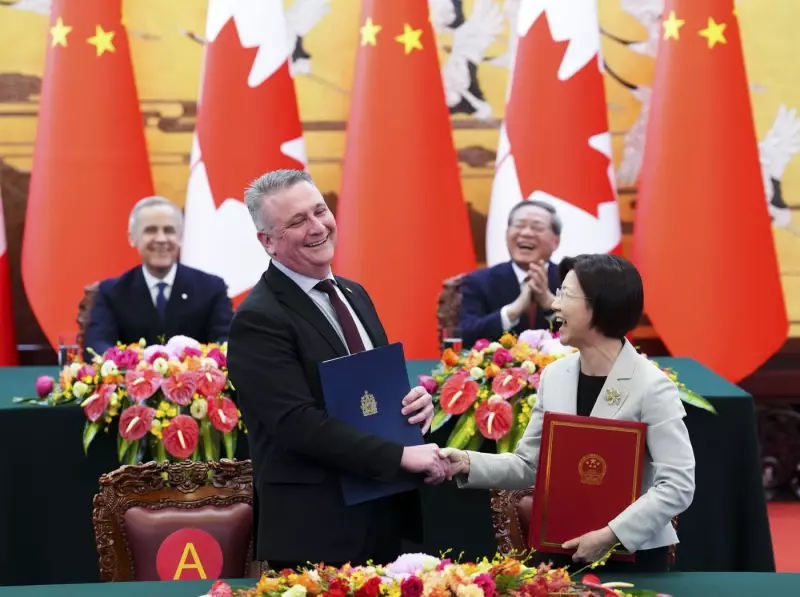
Canada-China Canola Agreement Constrained by Lingering Steel Tariffs
In a significant development for Canadian agricultural trade, the recently inked deal between Canada and China on canola exports is encountering limitations due to ongoing anti-dumping tariffs on Chinese steel, according to statements from Agriculture Minister Heath MacDonald. The minister highlighted the complexities of bilateral trade relations, noting that while certain tariffs were lifted as part of the canola agreement, broader trade barriers remain a point of contention.
Trade Dynamics and Ministerial Insights
Minister MacDonald elaborated on the situation, explaining that the canola deal represents a positive step forward for Canadian producers, potentially unlocking billions in revenue. However, he acknowledged that the persistence of steel tariffs imposed by Ottawa on Chinese imports creates a delicate balancing act. "The canola agreement is a premium market opportunity for our farmers, but we must navigate the broader trade landscape carefully," MacDonald stated, emphasizing the need for a holistic approach to Canada-China economic relations.
The discussion around these tariffs raises critical questions about whether the Canadian government will consider dropping or modifying the anti-dumping measures on Chinese steel. This issue is particularly salient given the interconnected nature of global trade, where concessions in one sector can influence negotiations in others.

Broader Implications for Canadian Agriculture and Industry
The canola deal, which is expected to facilitate the first exports of canola seed and beef to China soon, is seen as a boon for the agricultural sector. Yet, the steel tariff issue underscores the challenges in achieving fully frictionless trade. Canadian producers are poised to benefit significantly, but the shadow of retaliatory measures or stalled progress in other areas looms large.
This development occurs against a backdrop of other trade news, including comments from former U.S. President Donald Trump, who reportedly described the Canada-China deal as "good," though his advisors expressed reservations. Such external perspectives add layers to the ongoing dialogue about Canada's trade strategies and international partnerships.
Looking Ahead: Policy and Economic Considerations
As Ottawa weighs its options, the focus will likely remain on maximizing economic gains for Canadian farmers while maintaining a stance that protects domestic industries from unfair trade practices. The agriculture minister's remarks suggest that future negotiations may need to address the steel tariffs more directly to fully realize the potential of the canola agreement.
In summary, while the Canada-China canola deal marks a promising advancement for agricultural exports, its scope is currently tempered by unresolved anti-dumping tariffs on steel. This scenario highlights the intricate dance of international trade diplomacy, where progress in one area can be hindered by disputes in another, requiring careful and strategic policymaking from Canadian officials.






