

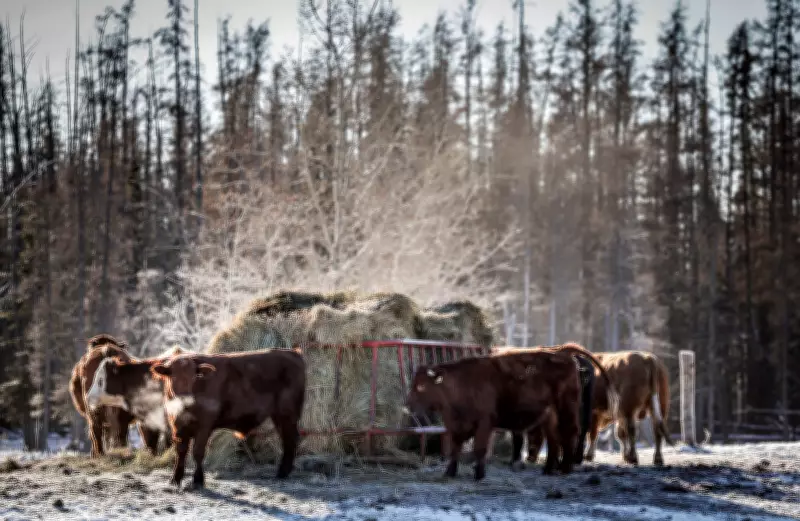
Canadian Beef Exports Set to Resume in China After Market Pause
In a significant development for Canada's agricultural sector, beef exports are poised to re-enter the Chinese market following a period of suspension. This move comes as a relief to producers, but it is tempered by ongoing challenges within the domestic cattle industry. A tight supply of cattle across Canadian farms is creating a complex scenario where demand may outstrip available resources.
Market Re-entry Amid Supply Constraints
The reopening of the Chinese market for Canadian beef represents a crucial trade opportunity, potentially boosting export revenues and supporting rural economies. However, industry analysts note that this positive news is juxtaposed against a backdrop of limited cattle inventory. Years of drought, high feed costs, and economic pressures have led to herd reductions, making it difficult for producers to rapidly scale up to meet new international demand.
Farmers are facing a delicate balancing act: capitalizing on export opportunities while managing finite resources. The current cattle supply is described as historically tight, with numbers not seen in decades. This scarcity is driving up prices for feeder cattle and creating uncertainty about long-term sustainability.

Economic and Production Challenges
Several factors contribute to the strained supply situation:
- High Production Costs: Expenses for feed, fuel, and labor have risen sharply, squeezing profit margins for cattle ranchers.
- Environmental Factors: Severe weather events, including droughts in key provinces like Alberta, have impacted grazing lands and water availability.
- Market Volatility: Fluctuating global commodity prices and trade disruptions have made long-term planning challenging for producers.
Despite these hurdles, the Canadian beef industry remains a vital component of the national economy, contributing billions annually. The re-entry into China—a major consumer market—could provide a much-needed stimulus, but it requires strategic management to avoid overextension.
Strategic Implications for the Agriculture Sector
This development underscores the interconnected nature of global trade and domestic production. As Canada navigates this opportunity, several key considerations emerge:
- Supply Chain Resilience: Enhancing the robustness of the cattle supply chain to withstand external shocks and meet demand spikes.
- Investment in Innovation: Adopting advanced agricultural technologies and sustainable practices to improve efficiency and yield.
- Policy Support: Government initiatives to assist farmers with cost management and market access could play a pivotal role.
The return to the Chinese market is a testament to the quality and safety standards of Canadian beef, which have been recognized internationally. However, the industry's ability to fully leverage this opportunity will depend on addressing the underlying supply issues. Stakeholders are cautiously optimistic, emphasizing the need for collaborative efforts between producers, processors, and policymakers to ensure a stable and prosperous future for Canadian beef exports.






