

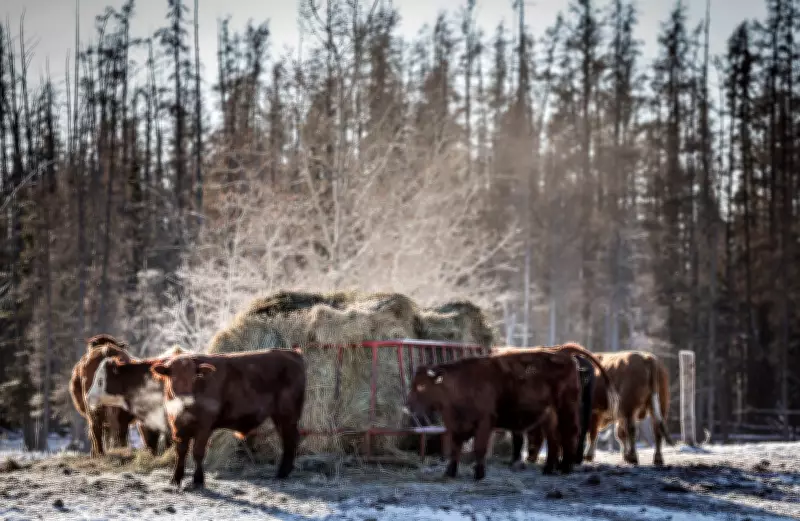
Canada Reopens Beef Trade with China as Domestic Herd Numbers Remain Constrained
In a pivotal development for the agricultural sector, Canada has officially resumed its beef exports to the Chinese market. This move comes after a period of trade disruptions and represents a crucial step in re-establishing international trade relationships for the Canadian meat industry. The resumption is expected to provide a much-needed boost to farmers and processors across the country, particularly in key beef-producing provinces like Alberta and Saskatchewan.
Trade Resumption Amid Supply Chain Pressures
The reopening of the Chinese market for Canadian beef is a significant achievement, but it unfolds against a backdrop of persistent challenges within the domestic cattle supply chain. Industry reports indicate that cattle inventories remain notably low, a situation attributed to a combination of factors including drought conditions in recent years, rising input costs, and shifting farmer priorities. This tight supply is creating a complex scenario where increased export demand could potentially strain existing resources.
Analysts are closely monitoring the balance between renewed export opportunities and the capacity of Canadian producers to meet both domestic and international needs. The current cattle herd size is below historical averages, which may limit the immediate volume of beef available for shipment abroad. Producers are navigating higher feed and operational expenses, which influence decisions about herd expansion and market timing.

Economic Implications and Market Dynamics
The resumption of exports to China, one of the world's largest importers of beef, is poised to have substantial economic ramifications. Prior to the trade halt, China was a valuable destination for Canadian beef, and regaining access is anticipated to enhance farm revenues and support rural economies. However, the constrained cattle supply introduces an element of uncertainty regarding long-term sustainability and price stability.
Market observers suggest that while prices may see an initial uplift due to export demand, consumers could eventually face higher costs at the retail level if supply pressures intensify. The industry is also contending with global competition and logistical hurdles, which add layers of complexity to the export process. Stakeholders are advocating for supportive policies and investments to bolster herd recovery and ensure the sector's resilience.
Looking Ahead: Strategies for a Sustainable Future
To capitalize on the renewed trade access while addressing supply limitations, industry leaders and government bodies are exploring several strategic avenues. These include initiatives to support herd rebuilding through improved breeding programs and sustainable land management practices. There is also a focus on enhancing supply chain efficiency and exploring technological innovations in livestock farming.
The situation underscores the interconnected nature of global trade and domestic agricultural health. As Canada re-engages with the Chinese beef market, the ability to maintain a stable and sufficient cattle supply will be critical for securing long-term trade benefits and ensuring the vitality of the nation's beef industry.






