

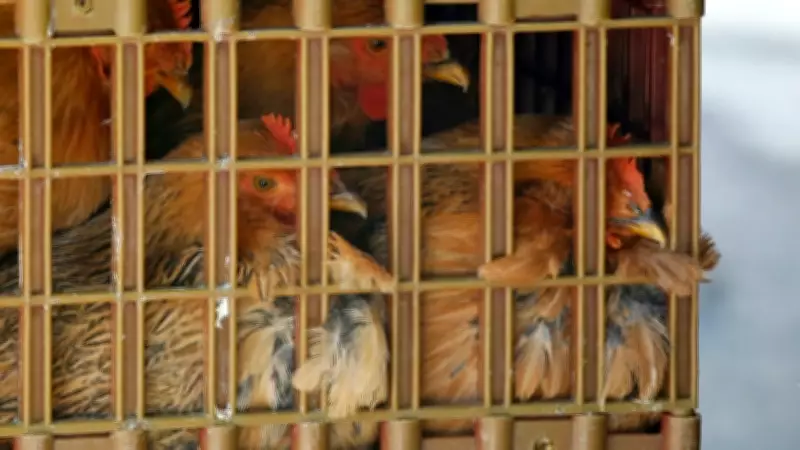
Bird Flu Outbreak Confirmed at Commercial Poultry Farm in Amherstburg
A case of avian influenza, commonly known as bird flu, has been officially confirmed at a commercial poultry farm located in Amherstburg, Ontario. This development has sparked immediate concerns among local farmers, health officials, and agricultural stakeholders regarding biosecurity measures and the potential ripple effects on the regional poultry industry.
Details of the Confirmation
The confirmation was announced on February 24, 2026, with authorities emphasizing that the situation is being closely monitored. The farm, which operates on a commercial scale, has implemented quarantine protocols to prevent the spread of the virus to other flocks. Avian influenza is a highly contagious viral disease that can affect various bird species, including chickens and turkeys, and in rare cases, it may pose risks to human health through close contact.
Impact on Local Agriculture
This outbreak raises significant questions about the resilience of Ontario's poultry sector. Farmers in the Amherstburg area are now on high alert, as bird flu can lead to severe economic losses due to flock culling, trade restrictions, and increased costs for disease control. The incident underscores the importance of stringent biosecurity practices, such as controlled access to farms and regular health screenings for birds.

Officials are working to trace the source of the infection and assess whether it is linked to migratory bird patterns, which are a common vector for the virus. This is not the first time bird flu has been detected in Canadian poultry, but each case serves as a reminder of the ongoing challenges in managing animal diseases in densely populated farming regions.
Response and Precautions
In response to the confirmation, local and provincial health agencies have issued guidelines to minimize risks. These include:
- Enhanced surveillance of nearby poultry operations.
- Recommendations for farmers to report any unusual bird deaths immediately.
- Public advisories to avoid contact with wild birds and to practice good hygiene when handling poultry.
The broader implications extend to food safety and supply chains, as disruptions in poultry production could affect availability and prices in markets. However, authorities assure that there is no immediate threat to the general public, provided standard precautions are followed.
Looking Ahead
As investigations continue, stakeholders are calling for increased funding and research into avian influenza prevention. This incident highlights the need for collaborative efforts between government, industry, and scientific communities to safeguard agricultural livelihoods and public health. The outcome of this case will likely influence future policies on disease management in Canada's farming sectors.






