

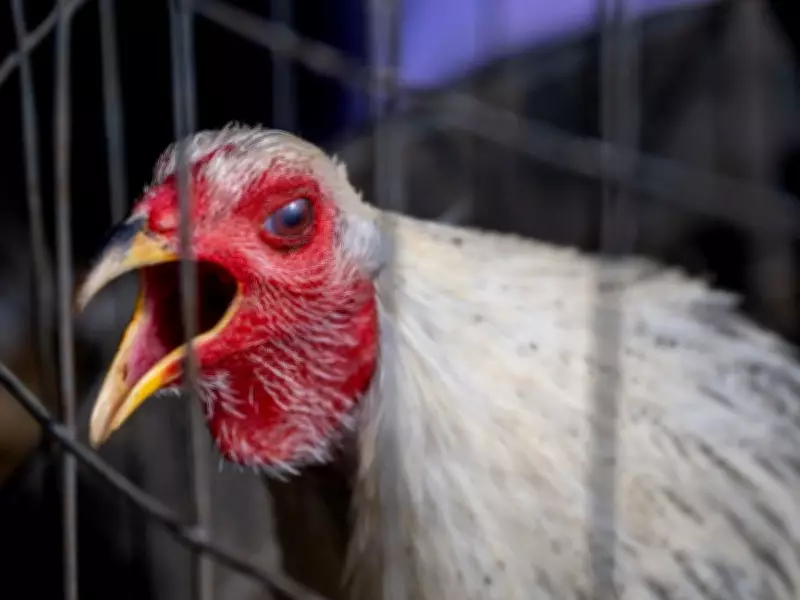
Avian Influenza Outbreak Confirmed at Commercial Poultry Farm in Amherstburg
A significant case of highly pathogenic avian influenza has been officially confirmed at a commercial poultry establishment located in the Town of Amherstburg, according to statements released by federal authorities. This detection represents a serious development in the ongoing management of avian health threats within Ontario's agricultural sector.
Immediate Containment Measures Implemented
The Canadian Food Inspection Agency has reported that the bird flu was identified at the commercial farm on February 19, 2024. In response to this discovery, officials have established a primary control zone designed to prevent further spread of the virus. This restricted area encompasses specific boundaries within Essex County, extending from Todd Lane and Tenth Street in LaSalle eastward to Walker Road, and south to County Road 20 and Front Road South in Amherstburg.
Within this designated zone, strict movement controls have been imposed on poultry, eggs, and related products. These measures are standard protocol for containing highly contagious avian diseases and are intended to protect both animal and public health. The agency has not disclosed the specific name of the affected business or the exact number of birds involved in the outbreak.

Coordinated Public Health Response
The Windsor-Essex County Health Unit has issued a formal statement confirming their active involvement in supporting the response effort. Health officials emphasized that their primary focus remains protecting community health by preventing any potential transmission of the virus to human populations and ensuring broader regional safety.
"Our primary focus is protecting the health of our community by preventing any transmission of the virus to humans and ensuring the broader safety of residents across the region," stated representatives from the health unit.
The WECHU is collaborating closely with multiple partners including:
- The Canadian Food Inspection Agency
- Provincial and federal health partners
- The affected farm operator
- Staff members who may have had close contact with infected animals
Low Risk Assessment for General Public
Medical authorities have emphasized that the current risk to the general population remains low. Dr. Mehdi Aloosh, Medical Officer of Health, provided clarification regarding transmission risks: "Human infections with avian influenza are rare and typically only occur through close contact with infected animals."
The health unit is implementing coordinated monitoring and follow-up measures to safeguard individuals who may have been exposed to infected birds. Personnel are providing direct support to those potentially affected while maintaining vigilant surveillance of the evolving situation.
"Residents can be assured that the WECHU is actively monitoring the situation and working with all partners to keep the risk low," Dr. Aloosh added. "If new information arises or if the level of public risk changes, the health unit will communicate updates."
This avian influenza outbreak represents a significant challenge for local agricultural operations and public health authorities. The establishment of containment protocols and the coordinated response between multiple agencies demonstrate the systematic approach being taken to manage this animal health emergency while maintaining public safety as the foremost priority.






