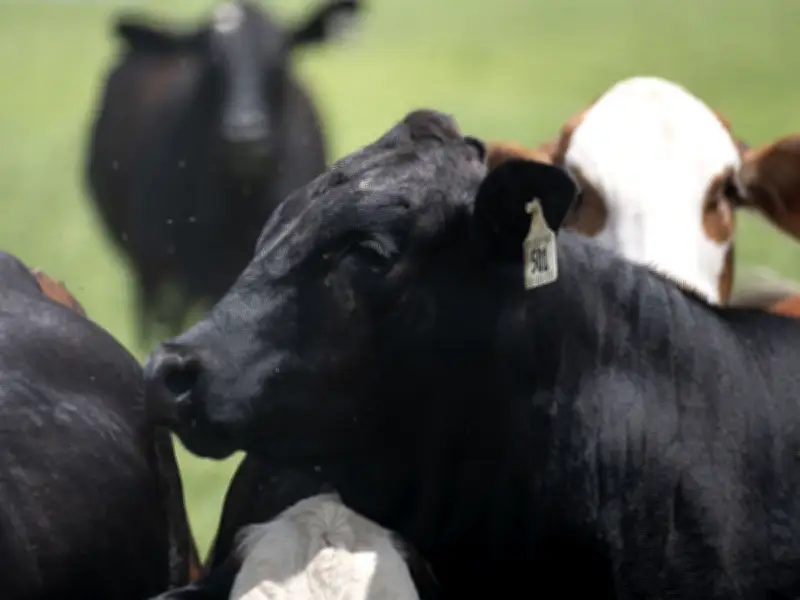
Beef prices reached a new record high in May, and hopes for consumer relief are fading as drought and the reemergence of a deadly cattle parasite keep the U.S. herd smaller for longer.
Record Prices for Ground Beef
U.S. consumers paid an average of $7.064 per pound for ground beef in May, slightly higher than the previous month and up 13% from a year earlier, according to the U.S. Bureau of Labor Statistics. Prices have steadily climbed as the U.S. cattle herd shrank to its lowest levels in 75 years, while prospects for rebuilding supplies have deteriorated in recent weeks.
Steak Prices and Retail Discounts
Steak prices averaged $12.802 per pound, dropping 1.7% from the prior month, though up 16% from a year ago. This decline may be due to retailers discounting beef more heavily heading into the grilling season, according to Anne-Marie Roerink, founder of market research firm 210 Analytics.

For big grilling holidays like Memorial Day and Father's Day, retailers are competing not just for the steak dollar but for the entire shopping cart, including side dishes and desserts. With consumers focusing on value, some retailers may be promoting beef more this month to capture full purchases, Roerink explained.
Screwworm Outbreak Adds Pressure
The latest threat to beef prices is the New World screwworm, with cases in Texas calves marking the first outbreak of the parasite in livestock in five decades. While the pest poses no threat to food safety, its presence is disrupting animal transportation and threatening to squeeze margins further for the struggling beef industry.
According to Stephens analysts led by Pooran Sharma, the concern is not food safety but the risk that containment measures, quarantines, and movement controls further tighten already constrained cattle supplies.
Trade Restrictions and Supply Constraints
The outbreak has already prompted restrictions. Oklahoma, Missouri, and Georgia have imposed permitting and inspection requirements for some livestock shipments. Canada has blocked shipments that have been in Texas within the previous 21 days, while the U.S. has halted exports of cattle, dogs, and other animals to Mexico.
The U.S. has also maintained a halt on live animal imports from Mexico, which has been in place for much of the past year to contain the spread of screwworm. The loss of that trade, which used to amount to about a million extra head into the U.S. each year, has tightened cattle availability.
Impact on Consumers and Industry
Beef prices have remained stubbornly high as ranchers have been slow to expand herds after years of drought and elevated production costs. Continued dryness and the screwworm outbreak are making that effort even more difficult, complicating U.S. President Donald Trump's efforts to bring down food prices ahead of the midterm elections.
Agriculture Secretary Brooke Rollins said last week that the border move was necessary, even as there is no doubt that closing the ports caused higher beef prices. The supply crunch has also deepened losses for beef processors, who have paid higher prices for cattle than they are receiving for meat.