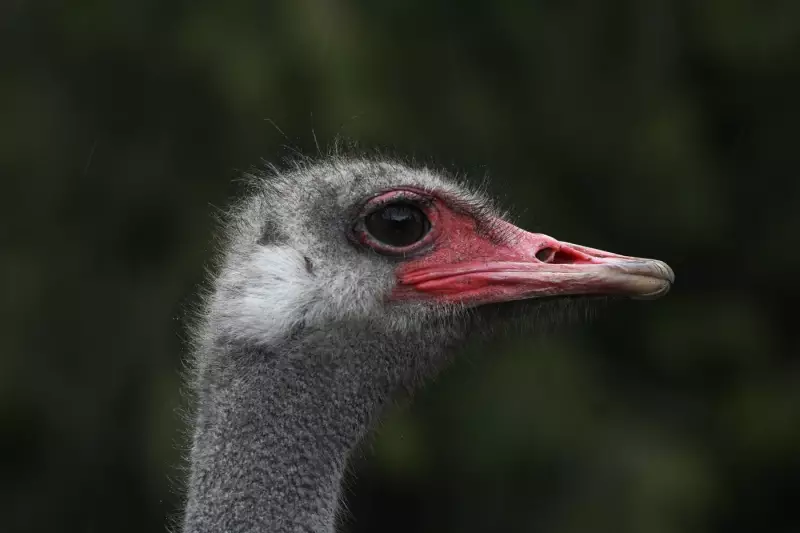
What began as a routine avian influenza response in British Columbia's Fraser Valley has transformed into an extraordinary legal battle reaching Canada's highest court. The controversial government-ordered cull of ostriches has sparked a multi-year legal fight that now pits farmers' rights against disease control measures.
The Outbreak That Started It All
In 2016, avian influenza swept through British Columbia's poultry farms, triggering immediate containment protocols. Among the affected operations were several ostrich farms, where the large flightless birds had become an increasingly popular agricultural venture. Provincial authorities moved quickly, ordering the culling of entire flocks to prevent further spread of the virus.
From Farm to Courtroom
Several ostrich farmers refused to comply with the destruction orders, arguing that their birds showed no signs of infection and represented valuable breeding stock built over years. This defiance set in motion a legal challenge that would wind through multiple court levels, with farmers claiming inadequate compensation and questioning the scientific basis for including their ostriches in the cull.

The Supreme Court Showdown
Now, the case has reached the Supreme Court of Canada, where justices will determine whether provincial authorities overstepped their powers. The legal questions at stake extend far beyond ostrich farming, touching on fundamental issues of property rights, government emergency powers, and the balance between individual business interests and collective public health protection.
Broader Implications for Canadian Agriculture
The outcome of this case could reshape how future animal disease outbreaks are managed across Canada. Farmers' groups are watching closely, concerned about precedent-setting decisions regarding compensation and government authority. Meanwhile, animal health officials warn that limiting their response capabilities could jeopardize Canada's entire poultry industry during future outbreaks.
As the legal drama continues, the case serves as a stark reminder of the complex challenges facing modern agriculture, where animal welfare, business viability, and public health concerns often collide in unexpected ways.