B.C. Farm Sales Stalled by Aboriginal Title Uncertainty, MLA Alleges
VICTORIA — A significant sale of prime ranch land in British Columbia has encountered unexpected obstacles, with growing concerns over Aboriginal rights and title creating uncertainty in the agricultural real estate market. Twelve ranches encompassing 182 square kilometers were marketed late last year as a "once-in-a-lifetime opportunity," yet the initial deadline for offers passed in January without a single buyer coming forward.
Uncertainty Impacts Land Transactions
The lack of sales has been directly attributed to increasing questions about how Aboriginal rights and title affect private property and tenures throughout ranching regions and other areas of the province. According to reports in Country Life in B.C., the longstanding agricultural sector publication, these concerns have introduced substantial hesitation among potential investors.
The publication's recent issue featured a story headlined "Title concerns add uncertainty to land deals," though it also noted "strong interest reported as auction deadline extends." This latter point was connected to Ritchie Bros., the overseer of the sales process, which suggested better prospects might emerge in a second "tender-by-auction" round scheduled to close later this month.

Specific Deal Falls Through
One concrete example highlighted in the report involved a ranch deal that collapsed after local Indigenous groups informed a prospective buyer—whose offer had been accepted—that they would not endorse the transfer of Crown licences necessary for the ranching operation. These licences include critical grazing leases on provincial land that are essential for maintaining agricultural activities.
Ritchie Bros. representative Clare Furman commented cautiously on the situation, stating, "Ritchie Bros. does not typically comment on specific bid activity or negotiations during an active sales process. That said, we've had a lot of interest in the properties thus far."
Political Debate Intensifies
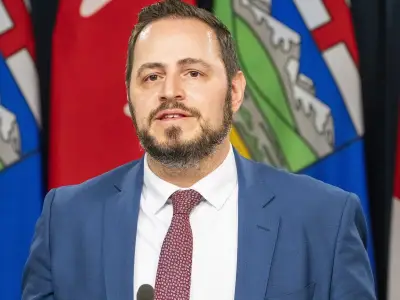
The stalled ranchland sales quickly became a political issue, with Conservative MLA Lorne Doerkson raising the matter during question period in the legislature. Doerkson pointed to the Country Life report and specifically mentioned Monette Farms' unsuccessful attempt to sell the 12 ranch properties.
"Monette Farms is trying to sell 12 ranch properties across British Columbia, but land ownership uncertainty from the Cowichan case has scared off willing buyers," charged Doerkson, demanding to know what the government planned to do to protect private property ownership in the province.
Premier's Response and Historical Context
Premier David Eby, who has previously criticized the B.C. Supreme Court's Cowichan decision for heightening public anxiety about private property status, responded by challenging Doerkson directly. "Isn't that the member for Cariboo-Chilcotin, the community where there was a court decision under the previous government," Eby retorted, referencing the landmark 2014 Supreme Court of Canada decision that recognized Tŝilhqot'in Aboriginal title over a substantial portion of the Chilcotin region.
This exchange underscores the complex interplay between Indigenous rights, property law, and agricultural economics in British Columbia. The situation continues to evolve as the second sales round approaches, with stakeholders across the province watching closely to see how these fundamental questions of title and tenure will ultimately affect land transactions and the broader agricultural sector.