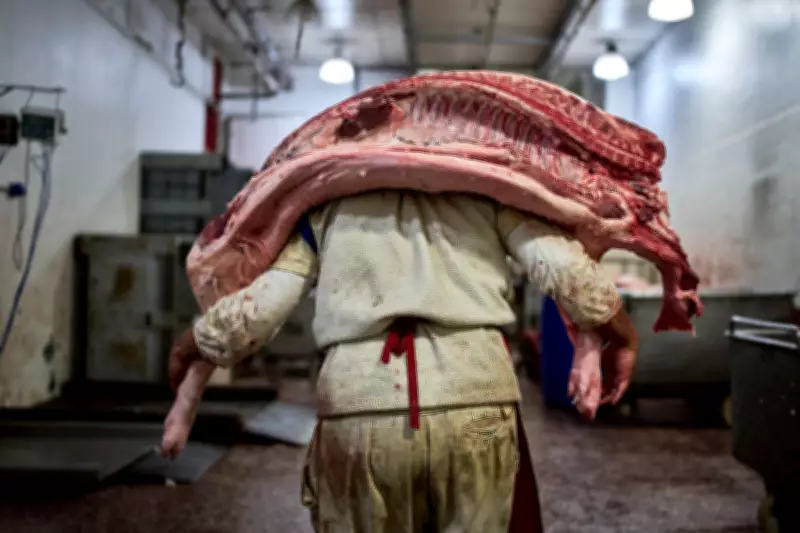
Argentina's beef consumption has plummeted to its lowest level in 20 years as prices continue to soar, reflecting the deepening economic crisis in the South American nation. According to recent data, the average Argentine now consumes significantly less beef than in previous decades, a stark shift for a country renowned for its beef culture.
Economic Pressures Drive Decline
The sharp rise in beef prices, driven by inflation and currency devaluation, has forced many households to reduce their meat intake. With inflation rates exceeding 100% annually, consumers are turning to cheaper alternatives such as chicken and pork. The Mataderos meat market in Buenos Aires, once bustling with beef buyers, now sees more shoppers opting for less expensive cuts or other proteins.
Impact on Traditional Diet
Beef has long been a staple of Argentine cuisine, from classic asados to everyday meals. However, the current economic reality is reshaping dietary habits. A worker at a butcher shop in Mataderos noted that customers are increasingly asking for smaller portions or switching to pork. The decline is not only a matter of affordability but also reflects broader economic instability, with many Argentines struggling to make ends meet.

Government and Industry Response
The government has implemented price controls on some beef cuts, but these measures have had limited success. Meanwhile, the livestock industry is facing its own challenges, including drought and rising feed costs. Exports have also been affected, as domestic demand weakens. Industry experts warn that if the trend continues, Argentina's reputation as a top beef producer could be at risk.
Broader Economic Context
The beef consumption decline is part of a larger economic crisis in Argentina, characterized by high inflation, a depreciating currency, and widespread poverty. The situation has sparked protests and calls for government action. As Argentines adapt to these harsh realities, the iconic Argentine barbecue may become a rare luxury.