

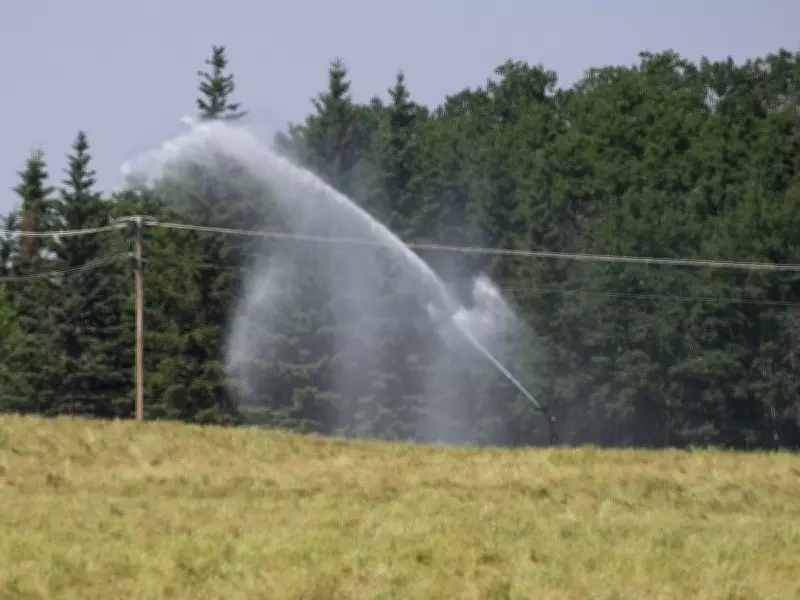
Alberta's landscape is characterized by stark contrasts and extreme variations, as highlighted by recent seasonal data on soil moisture released by the provincial government. This information underscores the diverse environmental conditions across the region, with significant implications for farming and natural disaster preparedness.
Concerns Over Ground Humidity and Drought
Over the past few years, ground humidity levels have become a major source of concern. Persistent drought conditions in certain parts of the province have created challenging growing environments for farmers, while also heightening fears of wildfires in numerous locations. These issues are compounded by the province's variable climate patterns, which can swing from one extreme to another.
Regional Moisture Variations from November 2025 to March 2026
The data, covering the period from November 1, 2025, to March 25, 2026, reveals a clear north-south divide in moisture levels. In the southern Rockies, a remarkable snowpack has been recorded, contributing to higher soil moisture in that area. Conversely, the Peace region experienced a wet winter, leading to relatively saturated conditions. However, the southern parts of Alberta have remained relatively dry, exacerbating existing drought concerns.

This disparity in soil moisture is not just a seasonal anomaly but reflects broader climatic trends that affect agricultural productivity and environmental stability. Farmers in the south are particularly vulnerable, as reduced moisture can lead to lower crop yields and increased reliance on irrigation systems.
Historical Context and Comparative Analysis
To put this into perspective, previous graphics have explored related topics such as youth unemployment in Alberta, the popularity of Canada's premiers, and various economic and environmental issues. These comparisons help illustrate how soil moisture levels are interconnected with other provincial challenges, from economic policies to resource management.
For instance, the impact of drought on agriculture ties into broader discussions about sustainable practices and climate adaptation strategies. As Alberta continues to navigate these extremes, understanding the data becomes crucial for policymakers, farmers, and residents alike.
Implications for Future Planning
The ongoing variations in soil moisture highlight the need for proactive measures to mitigate risks. This includes investing in water conservation technologies, enhancing wildfire prevention efforts, and supporting farmers through adaptive agricultural techniques. By closely monitoring these trends, stakeholders can better prepare for the challenges posed by Alberta's unpredictable climate.
In summary, the provincial government's soil moisture data paints a vivid picture of a province grappling with environmental extremes. From the wet winters of the north to the dry spells in the south, these conditions shape the daily lives and long-term prospects of Albertans, making it a critical area of focus for ongoing research and policy development.






