

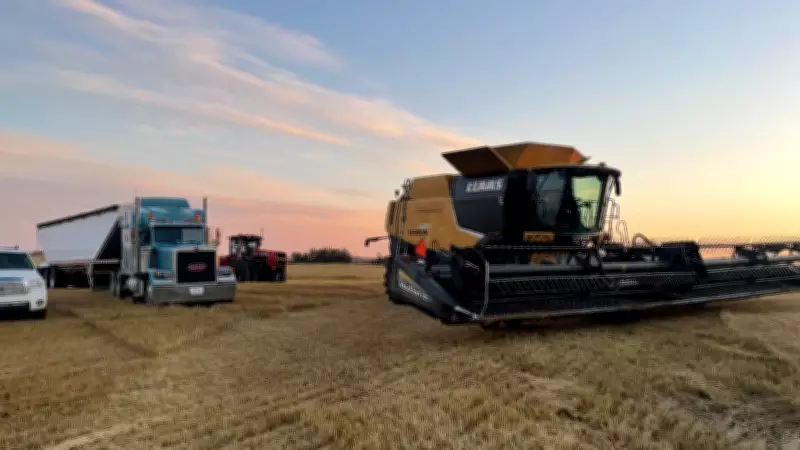
Alberta Farmers Pursue Resiliency Measures Despite Expected Tariff Relief
Farmers across Alberta are cautiously optimistic as tariff reductions appear on the horizon, yet many agricultural families are proactively developing strategies to withstand potential future challenges. While the anticipated relief from tariffs promises some economic breathing room, the farming community recognizes that long-term sustainability requires more than temporary financial reprieve.
Beyond Tariff Relief: Building Agricultural Fortitude
The agricultural sector in Alberta has faced significant pressures in recent years, from fluctuating commodity prices to increasingly unpredictable weather patterns. Many farmers are now looking beyond immediate tariff concerns to implement comprehensive resilience plans that address multiple risk factors simultaneously. These strategies often involve diversifying crop selections, investing in advanced irrigation systems, and exploring alternative revenue streams such as agritourism or value-added processing.
"While tariff relief is certainly welcome, it's not a permanent solution to the complex challenges facing modern agriculture," explains one third-generation wheat farmer from central Alberta. "We need to build operations that can withstand market volatility, climate extremes, and policy changes that might come down the road."

Multi-Faceted Approach to Farm Sustainability
Agricultural experts note that successful resilience planning typically involves several key components:
- Financial diversification through multiple income sources
- Technological adoption including precision agriculture tools
- Environmental stewardship practices that improve soil health and water management
- Market adaptation strategies to respond to changing consumer demands
- Succession planning to ensure farm continuity across generations
Many Alberta farming operations are implementing these approaches in various combinations, creating customized resilience plans that reflect their specific circumstances, resources, and risk profiles.
The Broader Agricultural Context
The focus on resilience comes amid broader discussions about the future of Canadian agriculture. While tariff reductions may provide temporary relief for some export-dependent sectors, farmers recognize that global trade dynamics remain unpredictable. Additionally, climate change continues to present new challenges, with Alberta experiencing both drought conditions and extreme precipitation events in recent growing seasons.
Agricultural organizations across the province are supporting these resilience efforts through educational programs, research initiatives, and policy advocacy. The goal is to create an agricultural sector that not only survives current challenges but thrives in the face of future uncertainties.
As one agricultural economist notes, "The most successful farming operations of the coming decades will be those that view resilience not as an emergency response but as an integral part of their business model. Tariff relief might provide a temporary cushion, but lasting success requires strategic planning that addresses multiple dimensions of risk."






