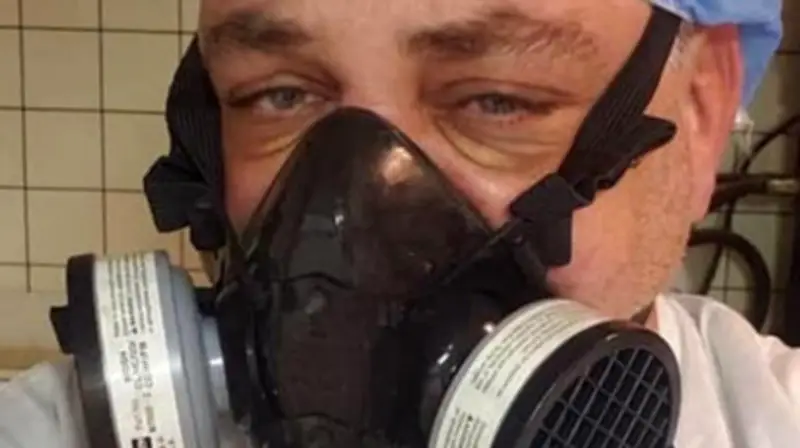
In April 2020, as COVID-19 ravaged New Jersey, funeral director Konstantin faced an impossible choice. A widow called him, desperate: her husband had died at home from COVID, she was infected, and she had only $200. No other funeral home would help. Konstantin took the case, covering the cost himself, despite his own fledgling business barely breaking even. His fiancée, Ann Wallace, ill with COVID since March, reassured him it was a mitzvah, a good deed.
The Relentless Wave of Death
By mid-April 2020, over 5,000 people had died in New Jersey alone. Konstantin's funeral home, which typically handled 160 funerals a year, was taking 7 to 10 new cases daily. Bodies piled up on folding tables from Lowe's, three to a table in the chapel. Cemeteries and crematories had weeks-long waiting lists. The media focused on hospital horrors, but no one told the story of what happened to the bodies—or the funeral directors who handled them.
Invisible Labor and Scarce PPE
Funeral directors were at the back of the queue for PPE. Konstantin reused N95 masks by baking them in the oven overnight. A friend donated three plastic suits, but they were too small; one tore while he put it on. He was devastated—it was more valuable than gold. Each day, he woke in an empty apartment, pulled on black scrubs and cargo pants, and crossed the street to the funeral home. He picked up bodies from nursing homes, apartments, and refrigerated trucks outside hospitals. In the worst cases, he checked toe tags in the dark, no hospital staff present.

A Body Bag Rips Open
One day, a body bag heavy with fluid ripped open, spraying Konstantin with infectious bodily fluids. He waited five days for symptoms, then stood in line for hours at a new testing site. The test was agonizing—a Q-tip so long it seemed to reach his brain. Two days later, the result came back negative. He was lucky, but the risk was constant.
Isolation and Care
Konstantin and Ann stayed apart for nearly three months due to her infection and his exposure. He left groceries at her door, and she smiled through the window. Often, he turned away with tears rolling down his cheeks. At night, he entered through the basement, stripped naked, put his clothes directly in the washing machine, and poured a stiff drink to numb the horror until morning.
Summer 2020 and Beyond
As spring turned to summer, the death rate slowed, but the trauma lingered. Ann, a poet and long COVID patient, notes that over 1.2 million Americans died from COVID-19. She writes, "It is easy to turn away from the horrors... but many of us carry the scars, literal and metaphoric, still." In winter 2025, Konstantin received a call for a body pickup on Valentine's Day. This time, the hospital morgues were not full, and the work could wait until morning.
A Hidden Story
Ann Wallace, PhD, is Poet Laureate Emeritus of Jersey City and a long COVID advocate. She emphasizes that the story of funeral workers—who washed, embalmed, and dressed infectious corpses—must be told. They cared for the dead when no one else would, out of sight, with respect, until they had nothing left to give.