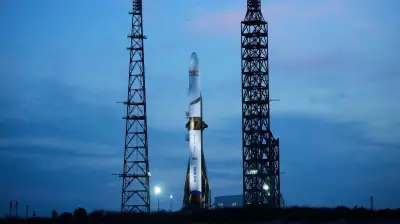
In a significant shift for the United States space program, the Trump administration has pivoted its priority from a mission to Mars back to the Moon. The policy change, announced in December 2025, marks a strategic redirection for NASA and has sparked discussions about its broader implications, including for scientific research and international partners like Canada.
A Strategic Pivot in Space Exploration
The decision, reported by AFP on December 18, 2025, sees the U.S. government formally deprioritizing the long-discussed goal of sending astronauts to Mars. Instead, resources and focus will be channeled toward a renewed lunar mission. This move represents a clear change in the nation's stated objectives for human spaceflight, reigniting efforts to return humans to the Moon's surface for the first time in decades.
While specific details of the new lunar program's timeline and architecture were not fully disclosed in the initial report, the announcement itself is a major policy directive. It signals a recalibration of ambitions for the National Aeronautics and Space Administration (NASA) and the contractors and international agencies that collaborate with it.

Potential Ripple Effects for Science and Collaboration
This strategic shift is expected to have wide-ranging consequences. One immediate area of impact could be on international space partnerships. Countries like Canada, which contribute advanced robotics like the Canadarm to joint missions, may need to align their own space agency priorities and technological developments with the new U.S. lunar focus.
Furthermore, experts cited in related reports suggest another potential consequence: a northward migration of climate scientists. The Trump administration's concurrent move to shut down a key climate research centre could create a "brain drain," pushing talented researchers to seek opportunities in countries with stronger commitments to environmental science, with Canada being a prime destination.
Looking Ahead: A New Chapter for Space
The return to a Moon-first strategy raises several questions for the future of exploration. Key considerations include:
- Mission Goals: Will the new program aim for a sustainable lunar presence, such as a base camp, or a series of shorter sorties?
- Commercial Role: How will private space companies, which have grown significantly, be integrated into this renewed government-led effort?
- Global Dynamics: Will this U.S. focus accelerate a new space race, particularly with other nations actively pursuing lunar exploration, or foster deeper collaboration?
The policy announcement in late 2025 sets the stage for a new chapter in space exploration, one centred on Earth's closest celestial neighbour. As plans develop, the world will be watching to see how this pivot shapes not only the journey back to the Moon but also the future of scientific discovery and international cooperation in the final frontier.