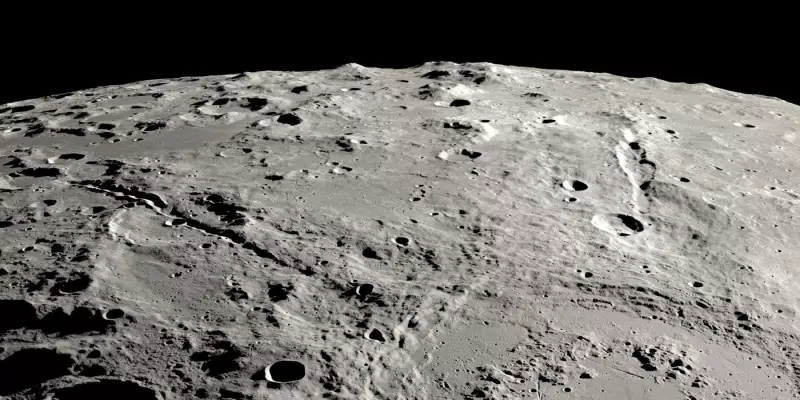
In a bold move that signals a new phase of lunar exploration, Russia has declared its intention to construct a nuclear power plant on the moon within the next ten years. This ambitious project is designed to provide energy for the country's expanding lunar program and a planned joint research station with China.
A New Energy Frontier in Space
The announcement, made public on December 24, 2025, outlines a decade-long timeline to establish a nuclear power source on Earth's only natural satellite. This initiative is a direct response to the accelerating competition among global powers to explore and potentially utilize the moon's resources. The proposed reactor would be a critical piece of infrastructure, supplying reliable power independent of the sun's cycles, which is essential for long-term habitation and scientific work.
Fueling Ambition: The International Lunar Race
The primary purpose of the lunar nuclear plant is to energize Russia's own lunar activities and a collaborative Russian-Chinese research station. This partnership highlights the shifting alliances and intensified efforts in space, as nations vie for a strategic foothold on the moon. The reliance on nuclear power underscores the significant energy demands anticipated for future lunar bases, which will need power for life support, research laboratories, communication systems, and potential resource extraction operations.

The plan represents one of the most concrete and technologically advanced proposals in the modern space race, moving beyond simple landers and rovers to permanent, powered infrastructure. It raises both the stakes and the technological challenges, involving the safe transport, assembly, and operation of a nuclear reactor in the harsh lunar environment.
Implications and Challenges Ahead
While the announcement marks a clear statement of intent, it comes with a host of complex technical, logistical, and safety hurdles. The international community will closely watch the development of this project, which also brings up questions regarding space governance, safety protocols for nuclear materials beyond Earth, and the environmental impact on the lunar surface.
If successful, Russia's lunar power project could fundamentally change the dynamics of space exploration, enabling more sustained and ambitious human presence on the moon. It sets a clear benchmark for other spacefaring nations and may accelerate similar plans from competitors like the United States through its Artemis program or other international coalitions.
The next decade will be crucial in determining whether this vision of a nuclear-powered moon base transitions from a headline-grabbing announcement into a tangible reality, reshaping humanity's relationship with its closest celestial neighbor.