In an unprecedented move for human spaceflight, NASA has conducted its first-ever medical evacuation from orbit, cutting short a crew member's mission and returning them safely to Earth. The historic event unfolded on Thursday, January 15, 2026, when the SpaceX Dragon Endeavour spacecraft splashed down in the Pacific Ocean off the coast of Long Beach, California.
A Premature but Necessary Return
The mission, which was originally planned for a longer duration, was altered due to a medical issue affecting one of the crew members aboard the International Space Station. While NASA has not disclosed the specific nature of the astronaut's ailment, the agency confirmed it necessitated a prioritized and expedited return. This marks the first time NASA has had to execute a medical evacuation from space, a contingency long-planned for but never before implemented.
The evacuation procedure involved the affected astronaut and their crewmates boarding the SpaceX Dragon Endeavour spacecraft for the journey home. The capsule, which had been docked at the ISS, undocked and performed a targeted re-entry through Earth's atmosphere before deploying its parachutes for a gentle water landing.

The Crew and Recovery Operation
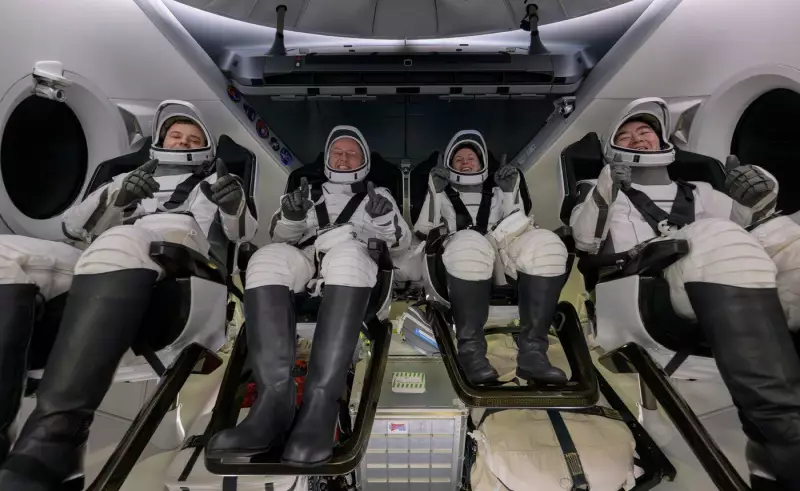
Onboard the returning spacecraft were four spacefarers. The crew consisted of NASA astronauts Mike Fincke and Zena Cardman, Roscosmos cosmonaut Oleg Platonov, and JAXA (Japan Aerospace Exploration Agency) astronaut Kimiya Yui. Following the splashdown, recovery teams aboard the SpaceX recovery ship SHANNON swiftly moved to secure the capsule and assist the crew egress.
Photographs released by NASA show the four crew members inside the Dragon capsule shortly after landing, appearing in good spirits following their unexpected early return. The crew was then transported to shore for initial medical evaluations, with a particular focus on the astronaut who required the evacuation.
Implications for Future Space Missions
This event represents a significant milestone in the operational history of the International Space Station and commercial crew partnerships. The successful execution of the medical evacuation validates years of emergency procedure planning and demonstrates the critical importance of having a dedicated, always-available return vehicle, like the Crew Dragon, stationed at the orbiting laboratory.
The ability to rapidly return an ill or injured crew member to Earth is a cornerstone of crew safety. This real-world test proves the system works under pressure. The data and experience gained from this incident will undoubtedly inform future mission planning, especially for longer-duration voyages to the Moon and eventually Mars, where emergency returns become exponentially more complex.
NASA and its international partners are expected to conduct a thorough review of the medical situation and the evacuation response. The health and recovery of the astronaut remain the top priority, with the agency stating it will provide updates as appropriate while respecting the individual's medical privacy.