NASA Counts Down to Historic Moon Launch After Overcoming Delays
At Cape Canaveral, Florida, NASA has initiated the countdown for a monumental event: the first human mission to the moon in over five decades. The launch, scheduled for Wednesday evening, will see the towering 32-story Space Launch System rocket propel four astronauts on a nearly 10-day journey to the moon and back, culminating in a Pacific Ocean splashdown.
Technical Challenges and Crew Readiness
The Artemis II mission, originally slated for February, faced significant setbacks due to hydrogen fuel leaks and a clogged helium pressurization line, necessitating repairs and a return to the hangar late last month. However, launch director Charlie Blackwell-Thompson expressed confidence, stating, "Our team has worked extremely hard to get us to this moment. Certainly all indications are right now we are in excellent, excellent shape." The rocket returned to the pad about a week and a half ago, with the U.S.-Canadian crew arriving at the launch site on Friday, and weather forecasts appear favorable for the upcoming launch window.
Diversity and Inspiration in Space Exploration
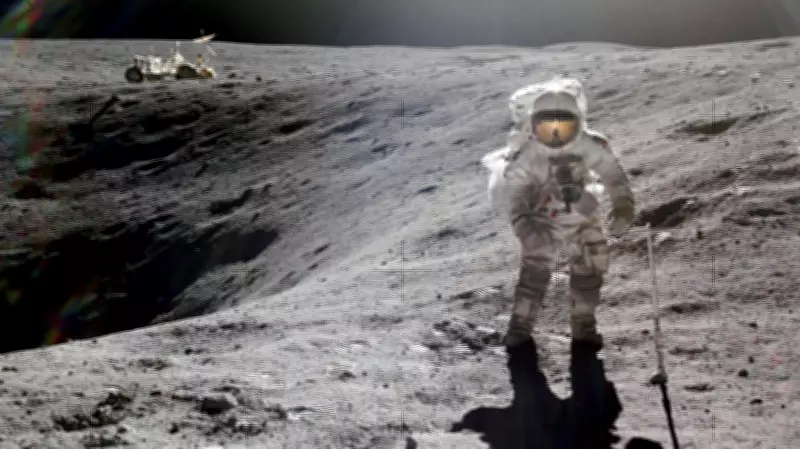
In a departure from the Apollo missions of 1968-1972, which exclusively featured male astronauts, Artemis II boasts a diverse crew including a woman, a person of color, and a non-U.S. citizen. Pilot Victor Glover, who is Black, emphasized the importance of representation, saying over the weekend that he hopes young people will see the crew and think, "Girl power and that's awesome, and that young brown boys and girls can look at me and go 'Hey, he looks like me and he's doing what???'" He also looks forward to a future where such milestones are no longer noteworthy, and space exploration becomes a unified part of human history.

Launch Timeline and Future Prospects
NASA has designated the first six days of April as the launch window for Artemis II, with a standby period until the end of the month if needed. The mission involves a day in Earth orbit before the Orion capsule journeys to the moon for a quick U-turn without landing, highlighting this as a critical step in renewed lunar exploration efforts.