NASA Chief Criticizes Boeing and Agency Managers Over Starliner's Troubled Astronaut Mission
The head of NASA has issued a sharp rebuke to Boeing and space agency managers following the problematic astronaut flight of the Starliner spacecraft. This public criticism underscores significant concerns within the commercial crew program, which aims to transport astronauts to the International Space Station.
Background of the Starliner Mission
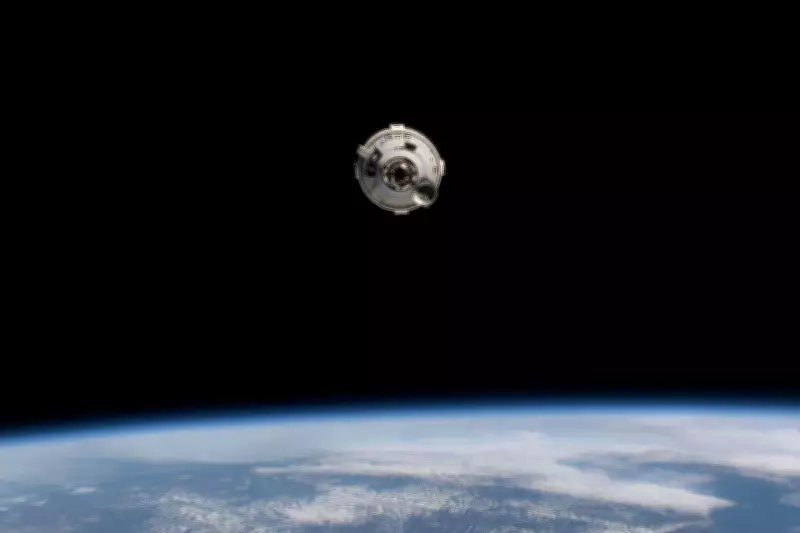
The Boeing Starliner spacecraft, carrying astronauts Butch Wilmore and Suni Williams, embarked on its mission to the International Space Station on June 6, 2024. While the spacecraft successfully docked, the flight was marred by technical issues and management oversights that have drawn intense scrutiny.
NASA's administrator did not mince words in expressing disappointment over the handling of the mission. The criticism focuses on both Boeing's execution and internal NASA management failures that contributed to the botched aspects of the flight.

Key Issues Highlighted
Technical Failures: The Starliner encountered multiple technical problems during its journey, including software glitches and propulsion anomalies. These issues compromised the mission's smooth operation and raised questions about the spacecraft's reliability.
Management Oversights: NASA's chief pointed to lapses in oversight by agency managers, suggesting that better coordination and stricter adherence to safety protocols could have prevented some of the problems. This includes failures in pre-flight testing and risk assessment processes.
Boeing's Accountability: Boeing, as a key contractor in NASA's commercial crew program, faces direct criticism for its role in the mission's shortcomings. The company's handling of the Starliner's development and operational phases has been called into question, with calls for improved performance and transparency.
Implications for Future Missions
This incident has broader implications for NASA's partnerships with private companies like Boeing. The commercial crew program is vital for maintaining American access to space, and such setbacks could delay future missions and increase costs.
NASA's administrator emphasized the need for rigorous standards and enhanced collaboration to ensure the safety and success of upcoming flights. This includes potential reforms in how NASA oversees contractor activities and manages its own internal teams.
Response and Next Steps
Boeing has acknowledged the criticisms and stated its commitment to addressing the issues. The company plans to conduct thorough reviews and implement corrective measures to prevent recurrence in future Starliner missions.
NASA, meanwhile, is expected to launch an internal investigation to identify specific areas for improvement. This may involve revising protocols, increasing training for managers, and strengthening partnerships with commercial entities to bolster mission reliability.
The Starliner's botched flight serves as a stark reminder of the complexities and risks inherent in human spaceflight. As NASA and Boeing work to resolve these challenges, the focus remains on ensuring that astronaut safety and mission integrity are never compromised.