NASA's Artemis II Mission: Countdown Begins for First Human Moon Launch in 53 Years
NASA has officially started the countdown for the Artemis II mission, setting the stage for humanity's first crewed launch to the moon in over five decades. This historic event marks a significant milestone in space exploration, with the last human moon landing occurring in 1972 during the Apollo era.
Preparations at Kennedy Space Center
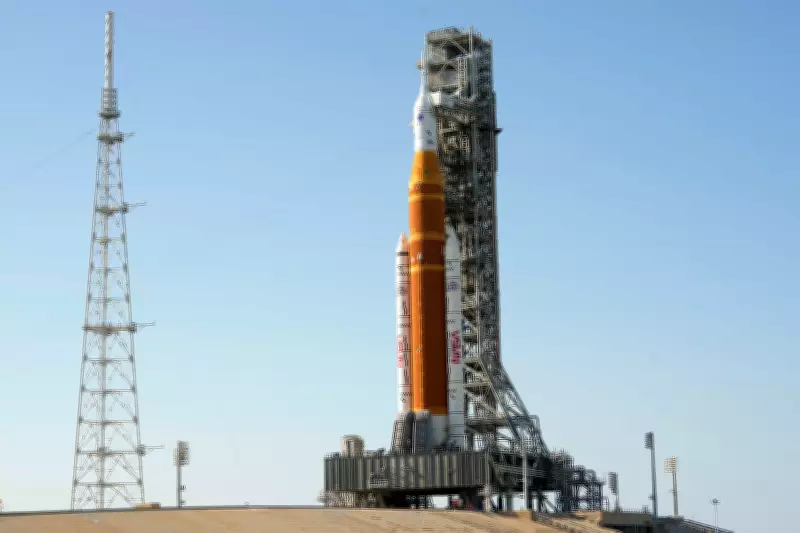
The Space Launch System (SLS) rocket, integrated with the Orion spacecraft, is currently stationed on Launch Pad 39-B at the Kennedy Space Center in Cape Canaveral, Florida. As of Friday, March 27, 2026, the vehicle has undergone final checks and is being prepared for its upcoming journey. The Artemis II mission represents a critical step in NASA's broader Artemis program, which aims to establish a sustainable human presence on the lunar surface and eventually pave the way for missions to Mars.
Mission Objectives and Significance
Artemis II is designed as a crewed test flight that will orbit the moon without landing, serving as a precursor to future lunar surface missions. The mission will validate the performance of the SLS rocket and Orion spacecraft in deep space conditions, ensuring the safety and reliability of the systems for astronauts. This launch is particularly notable as it includes international collaboration, with a Canadian astronaut serving as a key voice link during the mission, highlighting global partnerships in space exploration.

The countdown initiation comes after years of development and testing, addressing technical challenges and delays. NASA officials have emphasized that the crew is ready and that all systems are being monitored closely to ensure a successful launch. The mission timeline includes a series of maneuvers that will take the spacecraft around the moon before returning to Earth, providing valuable data for future Artemis missions.
Broader Implications for Space Exploration
Beyond its immediate goals, Artemis II symbolizes a renewed commitment to lunar exploration and scientific discovery. It aims to inspire a new generation of scientists and engineers while advancing technologies that could benefit life on Earth. The mission also aligns with efforts to study the moon's resources and potential for supporting long-term human habitation.
As the countdown progresses, space enthusiasts worldwide are eagerly following updates, with NASA providing detailed coverage of the launch process. The success of Artemis II could herald a new era of space exploration, with implications for international cooperation, economic opportunities in the space sector, and our understanding of the cosmos.