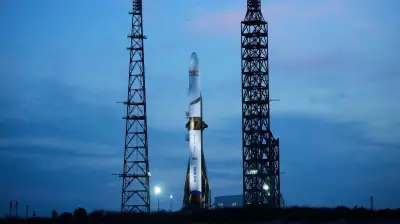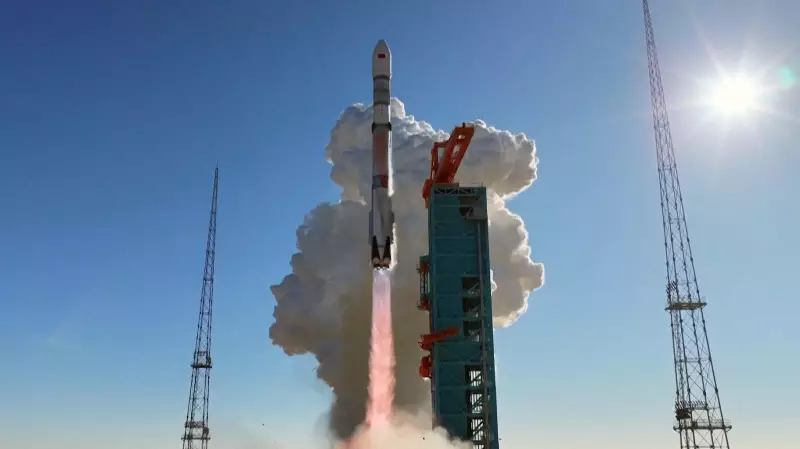
The ambitious drive by Chinese aerospace firm LandSpace to establish itself as a major competitor to Elon Musk's SpaceX encountered a significant hurdle. The maiden test launch of its next-generation Zhuque-3 rocket ended in failure on Wednesday, December 3, 2025.
A Setback in the New Space Race
This unsuccessful launch represents a notable stumble for LandSpace, a company that has been aggressively developing its technology to capture a share of the global commercial launch market. The Zhuque-3 is a central pillar in its strategy to offer services that directly rival those of industry leader SpaceX, founded by tech billionaire Elon Musk. While specific details regarding the cause of the failure are not yet fully public, such initial test setbacks are not uncommon in the complex field of rocket development, though they are costly in both time and resources.
Context and Global Competition
The event underscores the intensifying competition in the commercial space sector, where several Chinese companies are emerging as potential challengers to established American entities. LandSpace has been among the most prominent of these, attracting significant investment and attention. A successful Zhuque-3 program is critical for its plans to offer competitive satellite launch and potentially other space services. The failure on December 3 will necessitate a thorough investigation, likely delaying the program's timeline and giving competitors an opportunity to advance their own projects.

Implications for the Commercial Launch Landscape
For global clients and the space industry at large, the development of reliable, cost-effective launch providers like SpaceX has been transformative. The entry of capable competitors like LandSpace is seen as a way to further drive innovation and potentially lower costs. However, this recent test failure highlights the immense technical challenges involved. It serves as a reminder that building a reliable launch vehicle is an iterative process fraught with risk. The company's ability to quickly diagnose the problem, implement solutions, and return to flight will be closely watched by investors, potential customers, and geopolitical observers alike as a key indicator of its long-term viability in the high-stakes arena of space launch.
The path to challenging SpaceX's dominance remains steep, and this incident on December 3, 2025, marks a pivotal moment for LandSpace as it regroups and refines its technology for future attempts.