Artemis II Rocket Commences Slow Rollout to Launch Pad Ahead of April Mission
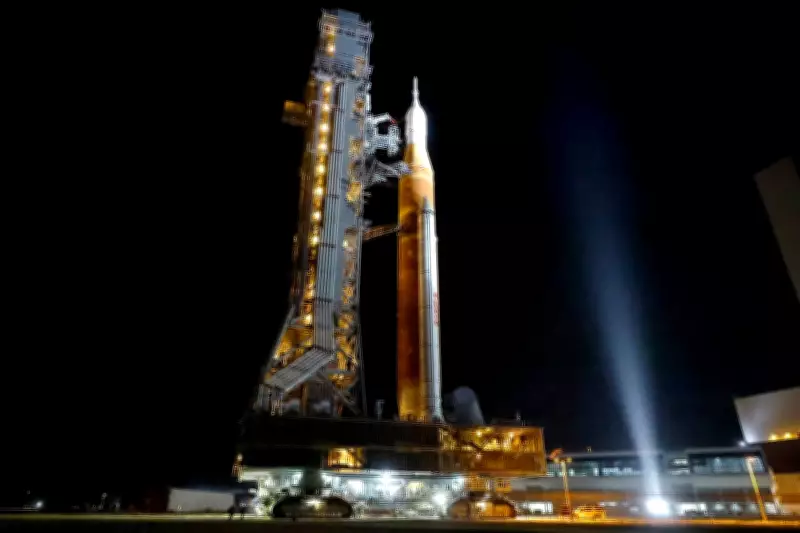
The NASA Artemis II rocket, carrying the Orion spacecraft, has initiated its gradual journey from the Vehicle Assembly Building to Launch Pad 39B at the Kennedy Space Center in Cape Canaveral, Florida. This critical movement occurred on Friday, March 20, 2026, as captured in photographs by AP Photo/Terry Renna, signaling a major step forward in the preparations for the upcoming space mission.
Milestone Movement for Lunar Exploration
The slow rollout of the Artemis II rocket is a meticulously planned operation, essential for ensuring the vehicle's integrity and readiness for its scheduled April flight. This process involves transporting the massive rocket and spacecraft assembly over several miles to the launch pad, where final checks and fueling will take place before liftoff. The Artemis II mission is a pivotal component of NASA's broader Artemis program, which aims to return humans to the Moon and establish a sustainable presence there.
Technical and Logistical Preparations
During the rollout, engineers and technicians monitor the rocket's systems closely to prevent any damage or issues that could delay the mission. The Orion spacecraft, designed to carry astronauts on deep-space missions, is securely mounted atop the rocket, ready for its journey. This phase is crucial for testing the integration of all components under real-world conditions, including the effects of transportation on the hardware.

Key aspects of the rollout include:
- Safety protocols to protect the rocket and surrounding infrastructure.
- Continuous communication between ground teams and mission control.
- Environmental considerations, such as weather monitoring, to avoid disruptions.
Implications for Future Space Exploration
The successful rollout of the Artemis II rocket sets the stage for a series of tests and rehearsals that will culminate in the April launch. This mission is expected to carry astronauts on a lunar flyby, testing systems for future crewed landings. As NASA advances its lunar exploration goals, this rollout represents a tangible progress toward expanding human presence in space and fostering international collaboration in space science.
With the rocket now en route to the launch pad, anticipation builds for the upcoming flight, which could pave the way for more ambitious missions to Mars and beyond. The Artemis program continues to inspire global interest in space exploration, highlighting technological achievements and the enduring human drive to explore the cosmos.