NASA's Artemis Astronauts Enter Final Phase of Moon Mission Preparations
NASA's Artemis program has reached a critical milestone as the astronauts selected for the Artemis 2 mission are now entering their final stage of preparations. This phase involves intensive training, simulations, and system checks to ensure crew safety and mission success for humanity's return to the lunar surface.
Intensive Training and Readiness Protocols
The astronaut team is undergoing rigorous simulations that replicate every aspect of the upcoming mission. These exercises include launch procedures, in-orbit operations, lunar approach maneuvers, and emergency scenarios. NASA officials emphasize that this final preparation phase is essential for validating crew readiness and spacecraft systems. The training leverages advanced virtual reality and physical mock-ups to provide realistic experiences of the Space Launch System rocket and Orion spacecraft.
Technological and Logistical Advancements
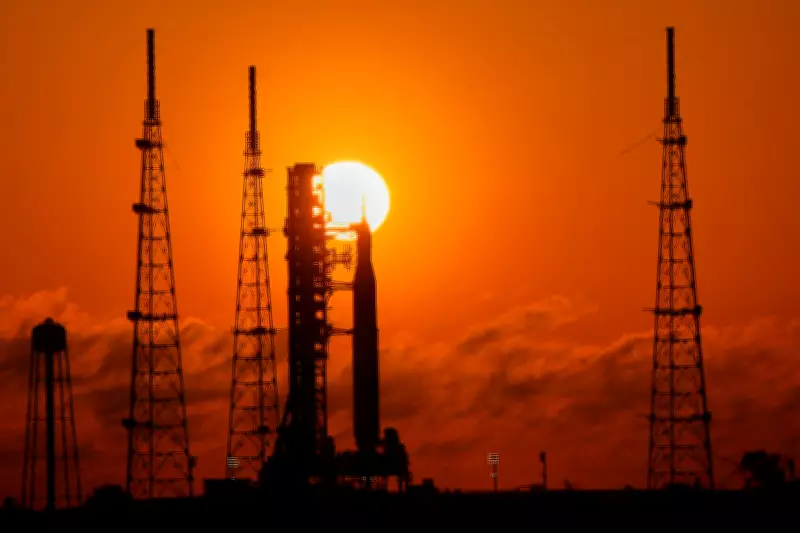
Significant progress has been made in preparing the launch infrastructure at Kennedy Space Center in Cape Canaveral, Florida. The Space Launch System rocket, paired with the Orion capsule, has undergone extensive testing and is now positioned for the mission. This represents the most powerful rocket NASA has ever built, designed to carry astronauts beyond low Earth orbit for the first time in over fifty years.

Key aspects of the final preparations include:
- Final verification of life support systems and crew interfaces
- Comprehensive reviews of mission timelines and contingency plans
- Coordination with international partners contributing to the Artemis program
- Public engagement and educational outreach to highlight the mission's scientific objectives
Historical Context and Future Implications
The Artemis 2 mission is a precursor to planned lunar landings, aiming to test systems and procedures with a crew aboard before attempting a touchdown. This mission follows the uncrewed Artemis 1 test flight, which successfully demonstrated the rocket and spacecraft's capabilities in deep space. The successful execution of Artemis 2 will pave the way for sustained human exploration of the Moon and eventual missions to Mars.
NASA's approach integrates lessons from past Apollo missions with modern technology, focusing on sustainability and international collaboration. The agency has outlined goals to establish a long-term presence on the lunar surface, facilitating scientific research and resource utilization.
As the astronauts complete their final preparations, anticipation builds within the global space community. This mission not only marks a return to lunar exploration but also sets the stage for the next era of human spaceflight, inspiring a new generation of scientists, engineers, and explorers.