The Canadian Space Agency (CSA) has selected the global technology leader ABB to design a key scientific instrument for the nation's upcoming Moon rover. Announced on December 17, 2025, the contract will see ABB develop the concept for a specialized infrared spectrometer to analyze the chemical composition of lunar soil.
Adapting Earth Technology for the Lunar Frontier
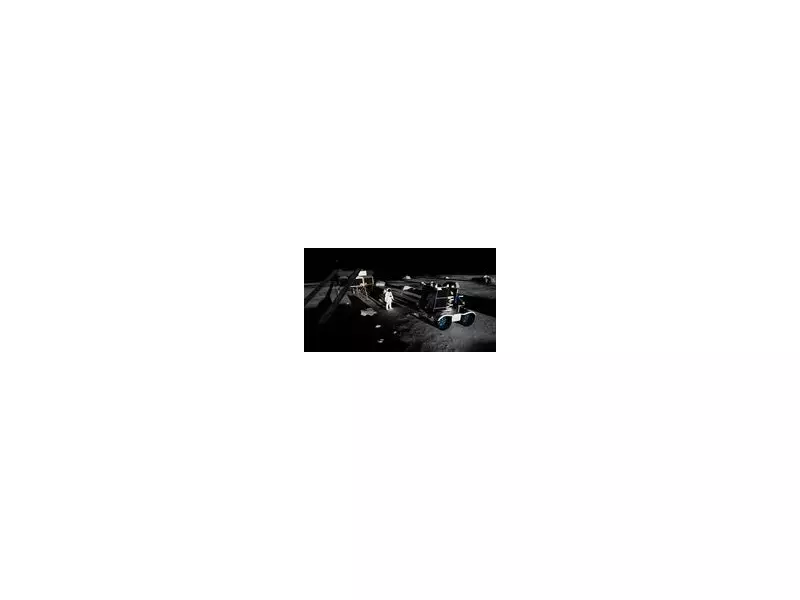
Under this new agreement, engineers from ABB's Measurement & Analytics division in Canada will adapt the company's proven Fourier Transform Infrared Spectrometer (FTIR) technology for the harsh lunar environment. This same technology is used in demanding, round-the-clock industrial operations on Earth. The lunar version, named the Autonomous Lunar Exploration Infrared Spectrometer (ALExIS), will be integrated into Canada's versatile Lunar Utility Rover.
The core mission of ALExIS is to collect the spectral "fingerprint" of molecules on the Moon's surface, from the visual range into the thermal infrared. This data is crucial because beneath the Moon's dusty regolith layer, the soil contains vital elements like oxygen, silicon, iron, aluminum, and even water ice. These resources are unevenly distributed and bound in chemical compounds, making on-site prospecting by rovers a critical step for sustained exploration.

Paving the Way for Sustainable Lunar Exploration
By measuring how infrared light interacts with lunar soil, ALExIS will map the distribution of key elements. This analysis is a fundamental step in assessing to what extent local lunar resources can support a future human presence. The rover's findings will provide scientists with unprecedented insights into lunar geology and surface morphology, informing where and how to establish long-term operations.
"We are extremely proud to be a part of this important next chapter of lunar exploration," said Marc Corriveau, General Manager for ABB’s Measurement & Analytics division in Canada. He highlighted that their FTIR technology has delivered reliable, high-precision results in tough terrestrial environments and is now poised to contribute that same performance to lunar exploration.
Building on a Legacy of Space Reliability
ABB brings a strong track record in space to this project. The company's interferometers have demonstrated exceptional reliability in orbit. A prime example is ABB's FTIR instrument aboard the CSA's SciSat satellite, which has been operating for over 22 years, providing a comprehensive atmospheric analysis to the global scientific community.
More recently, ABB explored adapting its methane detection technology for Mars. Earlier this year, the company also secured a CSA contract for the TICFIRE imager to advance climate monitoring. For the ALExIS project, ABB will collaborate closely with lunar exploration experts to define the best operational concepts and plan for subsequent development phases.
This contract solidifies Canada's role in the international effort to return to the Moon, leveraging homegrown technological expertise to unlock the secrets of the lunar surface and enable the next giant leap for human exploration.