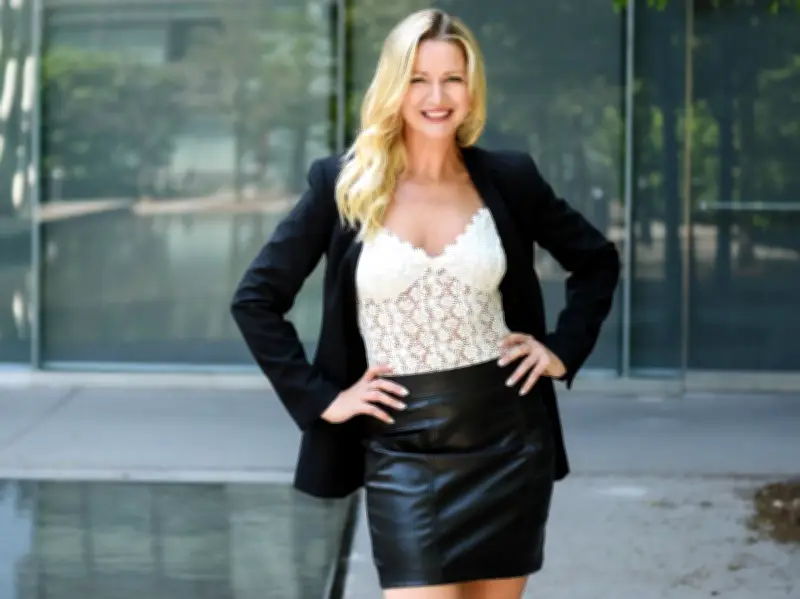
Sarah Lauren Semkowski was in Toronto and on Hinge when she noticed the conversations were going nowhere. Matches stalled in the app and rarely became dates. So she stopped using it. “It’s kind of a waste of time to be paying for this app,” she said. Hinge is free to download, but the free tier caps users at a set number of likes a day. Unlimited likes and features, like seeing everyone who has liked you, come with a paid subscription, which run from about $17 to $50 a month.
Dating App Burnout and Revenue Decline
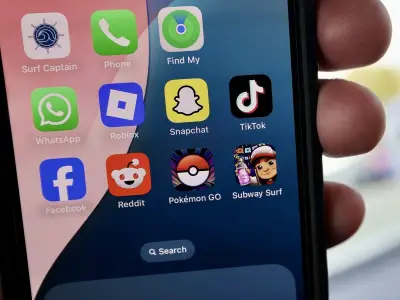
Dating apps are losing users, and the industry is betting on artificial intelligence to stop the decline. AI can now write a dating profile, draft messages and generate profile photos. Bumble’s annual revenue fell to $966 million in 2025, down from $1.07 billion the year prior. Match Group, which owns Tinder and Hinge, has reported declining subscribers for more than a year. About 80 per cent of Gen Z and millennial users say they feel burned out by the dating apps, according to Forbes.
Industry Experts on Burnout
Burnout is the business model, says Treena Orchard, an associate professor in Health Studies at Western University and the author of Sticky, Sexy, Sad, a 2024 book on dating apps. “Failure is built into the apps,” she said. “Because if you found someone that you really like right away, you’re going to stop using their product.”

AI Integration in Dating Apps
Enter artificial intelligence. Bumble said in May it is dropping the swipe entirely along with its women-message-first rule, handing matchmaking to an AI assistant called Bee. Hinge added a tool that suggests opening lines to daters. Founder Whitney Wolfe Herd has floated AI concierges that date other people’s concierges. A Match and Kinsey Institute survey of more than 5,000 American singles last June found 26 per cent were using AI in their dating lives, a 333 per cent jump from the year before. There is no comparable Canadian survey.
Loss of In-Person Connection
Driving the trend, say dating professionals, is the generation that grew up on dating apps who are losing the skill of connecting in person. “Social media makes people more awkward in person,” says Semkowski, 26, who spent five years on dating apps. Now a dating influencer with almost a million followers on TikTok and more than 250,000 on Instagram, where she posts as Sarah Lauren, she gives dating advice and talks about her own dating life. “That human interaction has gotten lost,” she says. “You can be one thing behind a screen and it’s totally different with a conversation in person.”
Return to Basics
Shannon Tebb is a matchmaker and dating coach who has run her Toronto practice, Shanny in the City, since 2010. She says clients arrive burned out by the dating apps and unsure of how to talk to someone in person. She, too, blames the phone, and the convenience it provides in daily life. Some app users are going back to basics, seeking in-person connections and coaching to rebuild social skills.