Humanoid Robot Outpaces Human World Record in Beijing Half-Marathon
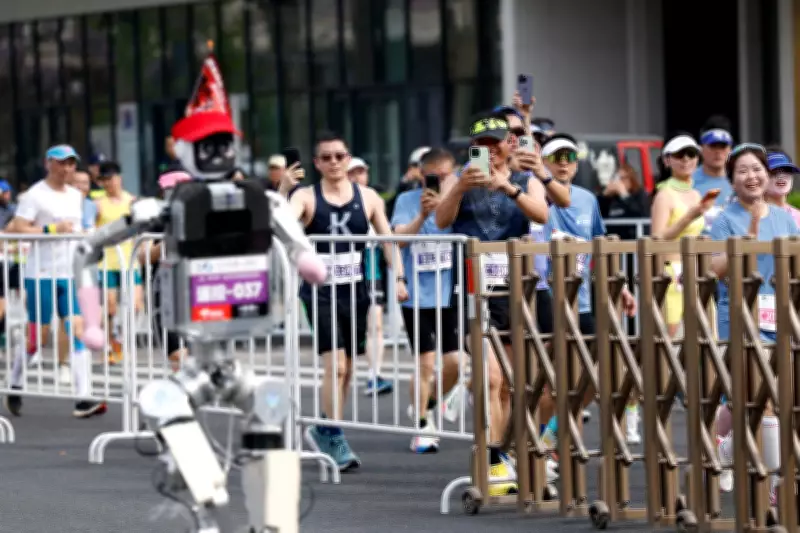
In a stunning display of technological advancement, a humanoid robot has sprinted to victory at the second Beijing E-Town Half-Marathon and Humanoid Robot Half Marathon, held on Sunday, April 19, 2026. The robot not only completed the race but did so in a time that surpasses the current human half-marathon world record, setting a new benchmark in the intersection of robotics and sports.
A Historic Achievement in Robotics and Athletics
The event, which took place in Beijing, saw the humanoid robot competing alongside human runners, drawing significant attention from participants and spectators alike. According to reports, many runners paused to take pictures of the robot during the race, highlighting the novelty and excitement surrounding this technological feat. The robot's performance demonstrates rapid progress in humanoid robotics, with implications for fields beyond athletics, such as healthcare, logistics, and emergency response.
This achievement marks a pivotal moment in robotics history, as it showcases the ability of machines to perform complex physical tasks at speeds exceeding human capabilities. The half-marathon distance, approximately 21.1 kilometers, requires endurance, balance, and efficiency—qualities that have traditionally been hallmarks of human athleticism. By beating the human record, the robot underscores the potential for artificial systems to rival or even surpass biological limits in controlled environments.

Implications for Future Competitions and Technology
The success of the humanoid robot in Beijing raises questions about the future of sports and robotics. Could robots eventually compete in official athletic events alongside humans, or will they be relegated to separate categories? This event may inspire further research and development in humanoid robotics, pushing engineers to enhance speed, agility, and energy efficiency. Moreover, it highlights China's growing role in technological innovation, with Beijing serving as a hub for cutting-edge projects like this marathon.
Experts suggest that such advancements could lead to new applications in disaster relief and industrial automation, where robots might navigate challenging terrains or perform repetitive tasks with precision. However, it also sparks ethical debates about the role of machines in society and the potential displacement of human roles in various sectors.
As robotics technology continues to evolve, events like the Beijing E-Town Half-Marathon may become more common, blending human and machine competition in ways previously imagined only in science fiction. For now, this record-breaking run stands as a testament to human ingenuity and the relentless pursuit of innovation in the tech world.