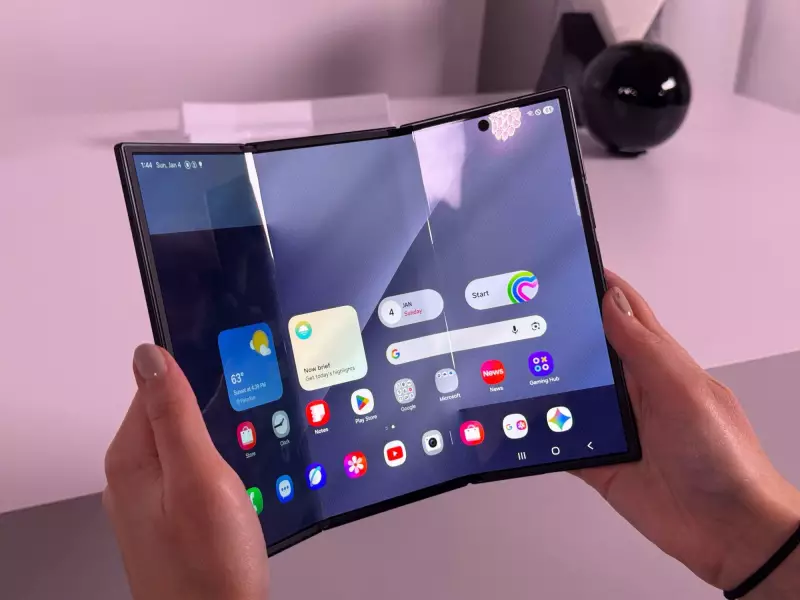
In a glimpse into the near future of mobile technology, Samsung has unveiled a device that appears to leap from the pages of a sci-fi novel. The Samsung Galaxy Z TriFold was put through its paces by CNN, offering an exclusive early look at its innovative design and functionality.
A First Look at the Future
The hands-on test, conducted by CNN's Lisa Eadicicco, took place in early January 2026. The device represents a significant evolution in foldable phone technology, moving beyond the simple book-style fold to a more complex, multi-panel design. This allows the smartphone to transform into a tablet-sized screen, offering new possibilities for multitasking, media consumption, and mobile productivity.
While specific technical specifications and pricing from Samsung were not detailed in the initial report, the visual impact of the device is clear. Its design challenges conventional smartphone form factors, suggesting a future where our pocket-sized computers can dramatically change shape to suit our needs.

Context in a Tech-Driven World
The reveal of the Galaxy Z TriFold comes as the tech world anticipates CES 2026, the annual Consumer Electronics Show where groundbreaking innovations are typically showcased. This sneak peek positions Samsung at the forefront of the next wave of consumer device innovation.
The development aligns with ongoing trends in the tech industry, where companies are pushing the boundaries of flexible displays and hinge mechanisms. Samsung's foray into a triple-folding format indicates confidence in the durability and market readiness of this advanced technology.
What This Means for Consumers
For Canadian tech enthusiasts and consumers, the Galaxy Z TriFold signals a coming shift in the smartphone landscape. While early adoption often comes with a premium price tag, such innovations typically trickle down to more accessible models over time.
The successful implementation of a reliable tri-fold mechanism could redefine how we use our phones for work and entertainment, potentially replacing the need to carry separate phones and tablets. It also raises questions about software optimization, app development, and battery life in these new, expansive form factors.
As with any prototype or early-release technology, the final consumer version may differ from the model tested. However, this hands-on preview confirms that the future of mobile devices is bending, folding, and transforming in ways once confined to the realm of imagination.